
Biography
Min Yang is currently a Professor at the Research Center for Eco‑Environmental Sciences, Chinese Academy of Sciences (RCEES, CAS), and a doctoral supervisor. He is a recipient of the National Science Fund for Distinguished Young Scholars. He serves as the Director of the National Engineering Research Center for Industrial Wastewater Harmlessness and Resource Recovery, and as an Associate Editor of ES&T Water.
His research has long focused on the control of microbial risks in water environments. He has led the national drinking water quality surveys since the 11th Five‑Year Plan period, developed rapid detection methods and equipment for harmful algae and pathogenic microorganisms, and tackled key engineering challenges such as green algae suppression and odor control in large‑scale water sources and source blocking of antibiotic resistance transmission in antibiotic wastewater treatment. His achievements have been incorporated into national and WHO standards, including the Standards for Drinking Water Quality, and applied to water source quality regulation, engineering construction for resistance control in pharmaceutical wastewater, and emergency responses to taste and odor incidents in Beijing, Shanghai, Yuhang, among others, benefiting multiple countries along the Belt and Road.
He has received numerous awards, including the First and Second Class Prizes of the National Science and Technology Progress Award, the Second Class Prize of the National Natural Science Award, the CAS Outstanding Science and Technology Achievement Award, the Guanghua Award, the Special Prize for Science and Technology Progress from the China Urban Water Supply and Drainage Association, and the Hou Debang Chemical Science and Technology Achievement Award.
Education
Ph.D. | Hiroshima University
Selected publications
-
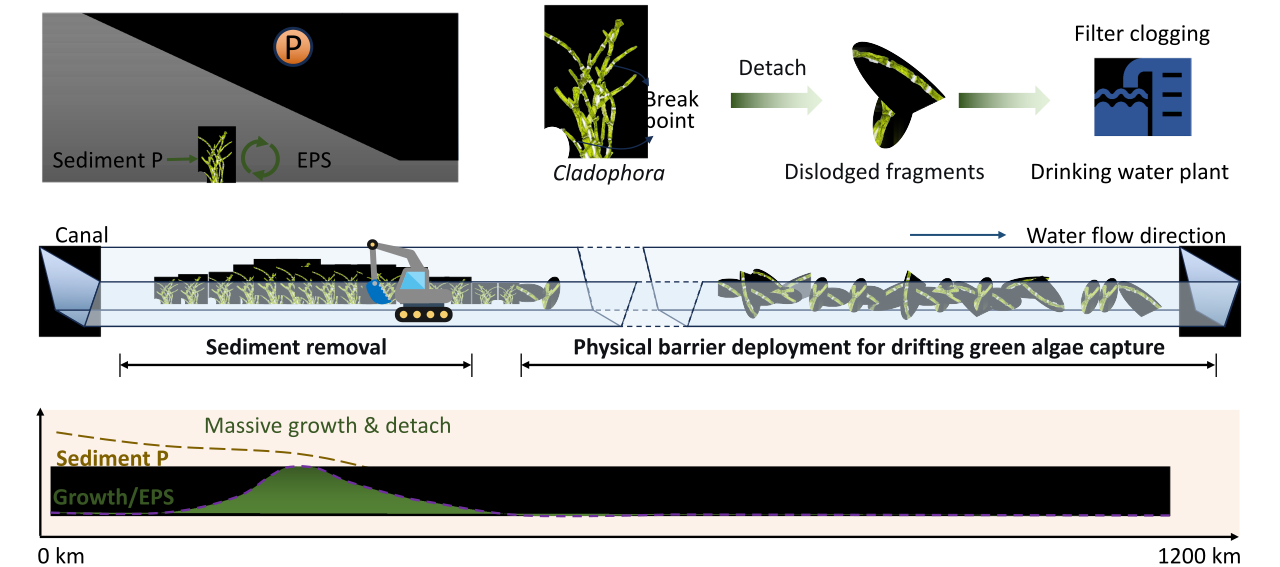
027 Phosphorus fuels *Cladophora* growth and self‑reinforcing adhesion via extracellular polysaccharides on hard substrata
Although high flow velocity, low nutrients, and smooth concrete surfaces typically suppress benthic algae, the filamentous alga Cladophora formed extensive biofilms in a major water transfer canal under conditions typically unfavorable for benthic algal colonization. We quantified Cladophora biomass, extracellular polysaccharides (EPS), and nanoscale adhesion through field surveys along the 1197 km canal and laboratory phosphorus-enrichment experiments. Phosphorus enrichment increased acid-extracted polysaccharides (APS) yield per biomass by 21.6%, and native EPS–sediment adhesion reached 18.6 nN, with polysaccharide backbones contributing approximately 88%. Along the canal, APS and sediment phosphorus were positively associated and both peaked at 30–45 cm depth. These results support a positive feedback mechanism in which APS strengthens adhesion and promotes local retention of phosphorus-bearing particles, potentially increasing phosphorus accessibility at the algal–matrix interface and further stabilizing the biofilm. The same biofilm can detach and cause downstream clogging. This self-reinforcing mechanism explains the spatial persistence of Cladophora blooms and provides a predictive basis for managing risks in large-scale water conveyance systems.
-
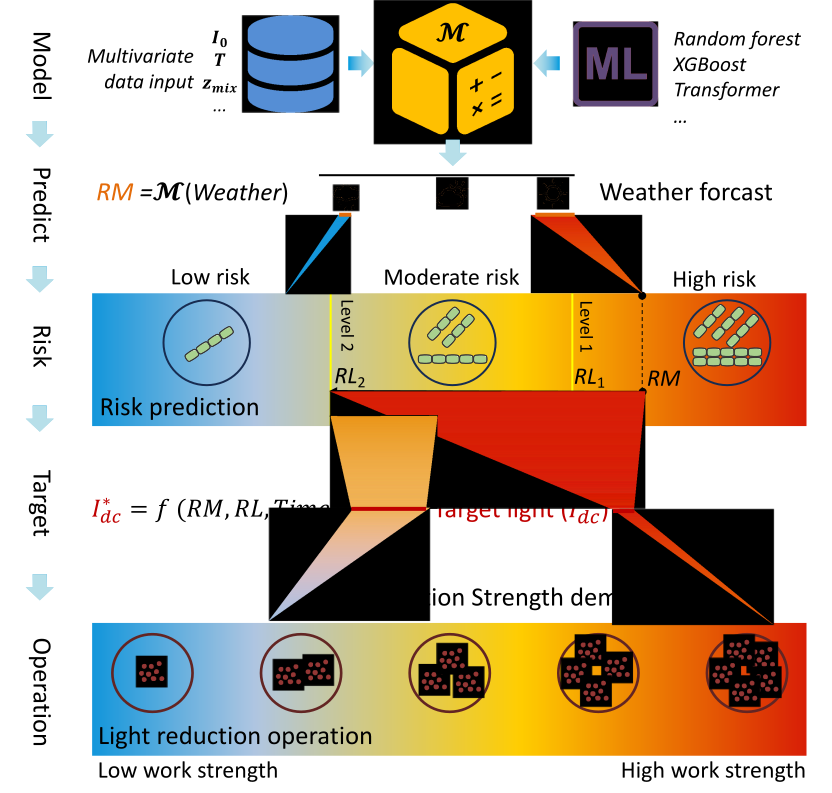
026 Controlling filamentous cyanobacterial blooms requires adaptive, weather-informed strategy
The global expansion of filamentous cyanobacteria threatens water security due to their production of toxins and taste-and-odor compounds. As subsurface dwellers, filamentous cyanobacteria are resistant to conventional nutrient and flocculation controls, exposing a management gap. We developed an adaptive, forecast-guided framework that integrates predictive modeling with precision sediment resuspension (SR), in which SR-associated light attenuation likely contributes substantially to bloom suppression. A 2023-2024 survey of 40 reservoirs in eastern China showed filamentous dominance of over 80% biomass in half the systems. An XGBoost model (R² = 0.57) identified September-October as the highest-risk period, with over 80% of reservoirs affected. SR efficacy is light-dependent: it suppresses growth under low irradiance but can promote it under high light if shading shifts irradiance into the optimal range for filamentous taxa. We optimized SR through modulated sediment flux (0.1-5.2 g L⁻¹) to dynamically attenuate light in response to real-time forecasts. Field validation confirmed forecast-guided SR effectively limited Pseudanabaena via light control. This ecology-based management provides a scalable framework for sustainable water security under changing climates.
 Sediment stirred up, / light dims, filaments retreat— / forecasts guide the cure.
 -
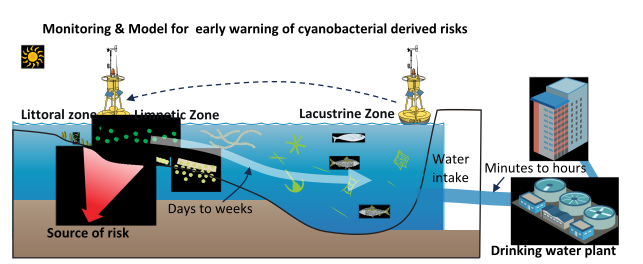
025 Spatiotemporal decoupling of littoral and lacustrine geosmin dynamics: Implications for early warning in drinking water reservoirs
The relationship between cyanobacterial niche characteristics and the transport dynamics of harmful metabolites to drinking water intakes remains poorly understood. This study integrated a national survey with a five-year high-frequency monitoring program to characterize these dynamics, focusing on the potent odorant geosmin. The national investigation revealed that 14% of surveyed sites exceeded the odor threshold of 10 ng L-1, indicating a non-negligible risk. In the YQ Reservoir, Planktothrix agardhii was identified as a primary producer. Monitoring revealed a distinct spatiotemporal decoupling: shallow littoral zones functioned as production centers where P. agardhii biomass peaked 8 days prior to the lacustrine intake. Time-lagged correlation analysis indicated that littoral biomass predicts intake geosmin concentrations with a 5-week lead time (R2 = 0.41). Ammonium was identified as the key regulatory factor, exhibiting its strongest correlation with geosmin in littoral zones (R2 = 0.37), though this linkage attenuated during transport. This proposed mechanistic transport model and tiered framework shift surveillance from reactive intake sampling to proactive littoral sentinel stations, establishing a critical predictive window for preventive intervention in reservoir-dependent water supplies.
 Littoral bloom foreshadows, / a five-week warning, then taste / downstream borne.
 -
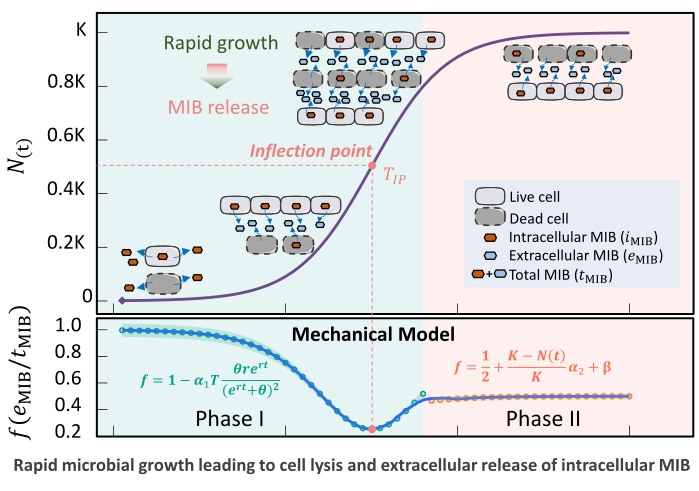
023 Cyanobacterial crowding-out effects on metabolite partitioning: modeling 2-methylisoborneol (MIB) release dynamics and implications
2-Methylisoborneol (MIB), a potent cyanobacterial metabolite, impairs drinking water quality through taste-and-odor issues at trace concentrations. Despite its significant impact, the intracellular dynamics and environmental release mechanisms of MIB remain poorly characterized. We developed a mechanistic model of growth-phase dependent MIB release through controlled experiments with two producer strains. The model reveals that the extracellular MIB proportion ($f = e_{\text{MIB}}/t_{\text{MIB}}$) follows a consistent pattern: decreasing to a minimum at mid-log phase before rising and stabilizing ($f$: 0.4 to 0.6) during stationary phase, suggesting crowding-induced cell lysis drives release dynamics. Application of the model to Lake Taihu successfully reconstructed two odor events during 2022-2023, elucidating both the spatiotemporal development of MIB producers and identifying critical risk thresholds at ~15°C and >30°C under moderate light (0.1-0.4 mol m-2 d-1) - patterns undetectable by conventional monitoring. Our findings demonstrate that physiological transitions, rather than just biomass accumulation, control odorant release. This framework may extend to other algal metabolites (e.g., geosmin, cyanotoxins), offering broader predictive capability. By linking cellular processes to water quality risks, our approach enables proactive management of cyanobacterial contaminants, informing both early warning systems and operational guidance for oxidant-type optimization to prevent large-scale release of hazardous compounds from algal cells.
 A scent on the water, / Born from a crowded cell's burst, / A warning grows cold.
 -
022 Effects of Oxygenation Resuspension on DOM Composition and Its Role in Reducing Dissolved Manganese in Drinking Water Reservoirs
Anaerobic conditions in source water sediments are a key driver of manganese (Mn) release in drinking water systems. Enhancing sediment oxidation can inhibit Mn release, but the mechanisms of Mn speciation under varying oxidative conditions remain unclear. This study examined sediment exposure to oxygenated water layers at controlled dissolved oxygen levels (0, 2, 5, 7 mg L-1) through laboratory simulations. Results showed Mn release is negatively correlated with DO ($R2=0.93$, $p$=0.034), with oxygen driving reactions between dissolved organic matter (C2 and C3 components) and forming functional groups (-OH, -COOH) that remove Mn through adsorption or complexation (C2: $R2$=0.57, $p$<0.001; C3: $R2$=0.53, $p$<0.001). Field studies in six reservoirs identified operational thresholds for sediment resuspension to mitigate Mn risks (compensation threshold: 17.4 μg L-1; risk threshold: China: 95.5 μg L-1; WHO: 70.8 μg L-1^). These findings clarify Mn-organic matter interactions and can provide practical guidance for Mn and algae removal in source water systems.
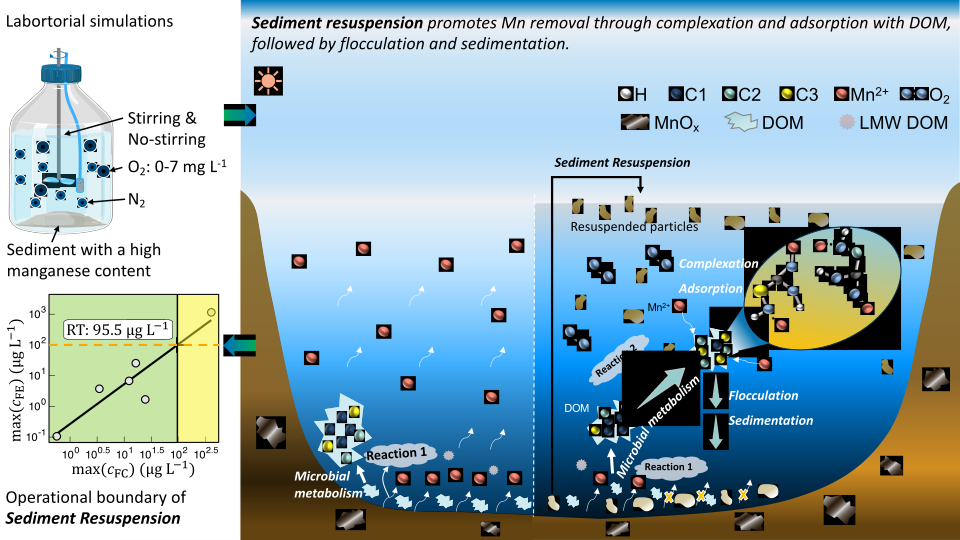 Mud whispers iron, / oxygen sings it silent— / clean water follows.
 -
021 Green Light Suppresses Cell Growth but Enhances Photosynthetic Rate and MIB Biosynthesis in PE-Containing Pseudanabaena
2-Methylisoborneol (MIB) is a notorious musty odorant in drinking water systems, produced by cyanobacteria during the biosynthesis of photosynthetic pigments. This study investigated the physiological adaptation of Pseudanabaena cinerea, a phycoerythrin (PE)-containing and MIB-producing cyanobacterium, by inducing chromatic acclimation under different light color. Our findings revealed that red light enhanced growth rates by stimulating the tricarboxylic acid (TCA) cycle and associated metabolic processes, while green light significantly increased photosynthetic pigment content and electron transport efficiency. MIB yield correlated nonlinearly with chlorophyll a (Chl a) content, modeled by a logarithmic-linear equation (R2 = 0.74, p < 0.01). This was supported by the strong correlation between mic and chlG gene expression at the RNA level (R2 = 0.85, p < 0.01). The model showed that <2% of carbon flux is allocated to MIB biosynthesis compared to Chl a production, indicating that MIB biosynthesis is synergistic, not competitive, with photosynthetic pigment production. The red-shift in light spectra due to increased water turbidity observed in the field led to changes in photosynthetic pigments, which decreased MIB levels. This study improves our understanding of MIB-producing cyanobacteria under variable light conditions and offers insights for mitigating MIB occurrences in surface waters.
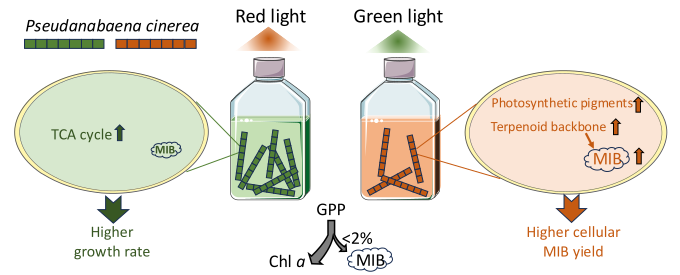 Red light fuels the growth, / Green deepens the pigments’ hue, / MIB’s quiet rise.
 -
020 Mitigating harmful cyanobacterial blooms in drinking water reservoirs through in-situ sediment resuspension
Mitigating harmful cyanobacterial blooms is a global challenge, particularly crucial for safeguarding source water. Given the limitations of current technologies for application in drinking water reservoirs, we propose an innovative strategy based on in-situ sediment resuspension (SR). This method's effectiveness in cyanobacterial control and its potential impacts on water quality were assessed through laboratory culture experiments and further validated via field applications in five drinking water reservoirs. The results revealed that SR could significantly mitigate cyanobacterial growth, evidenced by the treated sets (removal rate: 3.82×10⁶ cells L-1 d-1) compared to the control set (growth rate: 2.22×10⁷ cells L-1 d-1) according to the laboratory experiments. The underlying mechanisms identified included underwater light reduction (2.38× increase in extinction coefficient) and flocculation and entrainment of cells by resuspended particles (30% reduction per operation). Additional contributions were noted in the reduction of bioavailable phosphate and remediation of anaerobic sediment characterized by increased redox potential. This facilitated the oxidation of iron, which in turn promoted the co-precipitation of phosphate (removal rate: 46 μg L-1 d-1) and inhibited its release from the sediment. The SR operation, devoid of importing extra substances, represents a safe and economical technology for controlling harmful cyanobacteria in drinking water reservoirs.
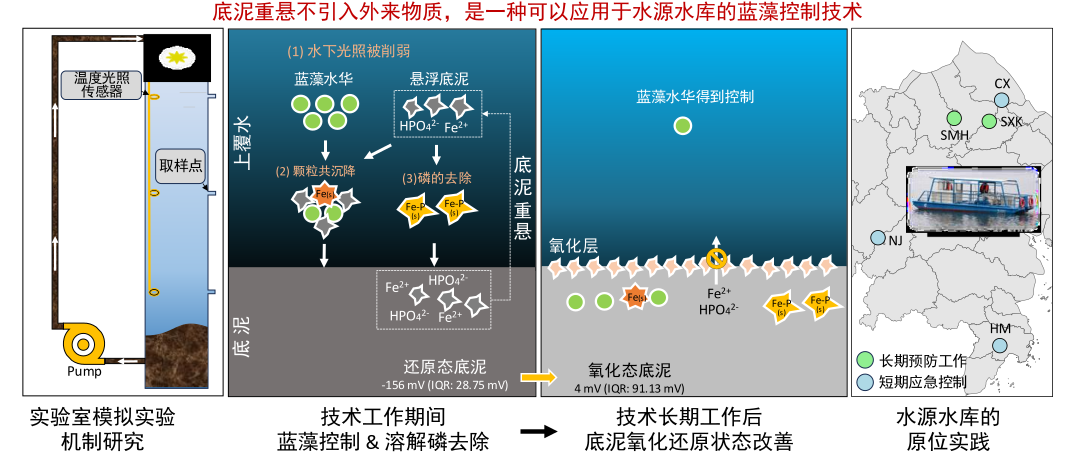 Cyanobacterial bloom in source water? / No solution? Try / in-situ Sediment Resuspension
 -
019 Early warning of MIB episode based on gene abundance and expression in drinking water reservoirs
Cellular 2-methylisoborneol (MIB) yield of cyanobacteria varies under different conditions according to culture studies and field investigations, the causal mechanism remains unclear and results in ineffective MIB prediction. Through an intensive field survey during an MIB episode produced by Pseudanabaena cinerea in QCS reservoir, we demonstrated that MIB synthesis (mic) gene abundance (DNA) and expression (RNA) might be useful as parameters for early warning of MIB production. It was found that the abundance of mic DNA and RNA peaked ahead of MIB concentrations by 10 and 7 days, respectively. In addition, the RNA abundance (R2 = 0.45, p < 0.01) showed a slightly higher correlation with MIB compared to DNA abundance (R2 = 0.37, p < 0.01), suggesting that the conditions for the growth of Pseudanabaena cinerea might be slightly different from those for mic gene expression, which was verified by a culture experiment. The highest cell growth was obtained under 36 μmol photons m-2 s-1, while the highest cellular MIB yield and mic gene expression level were obtained under 85 μmol photons m-2 s-1. Our results clearly supported that light intensity was the virtual regulator governing the mic gene expression within the controlled culture experiment and the actual MIB episode in the reservoir. Besides these results, we developed an early warning model using mic gene abundance as an indicator of MIB episodes, which was verified in two other reservoirs. Our findings highlight the effect of light intensity on mic gene expression and MIB synthesis and provide an early warning tool targeting MIB episode prediction, which therefore should be of importance for source water authorities.
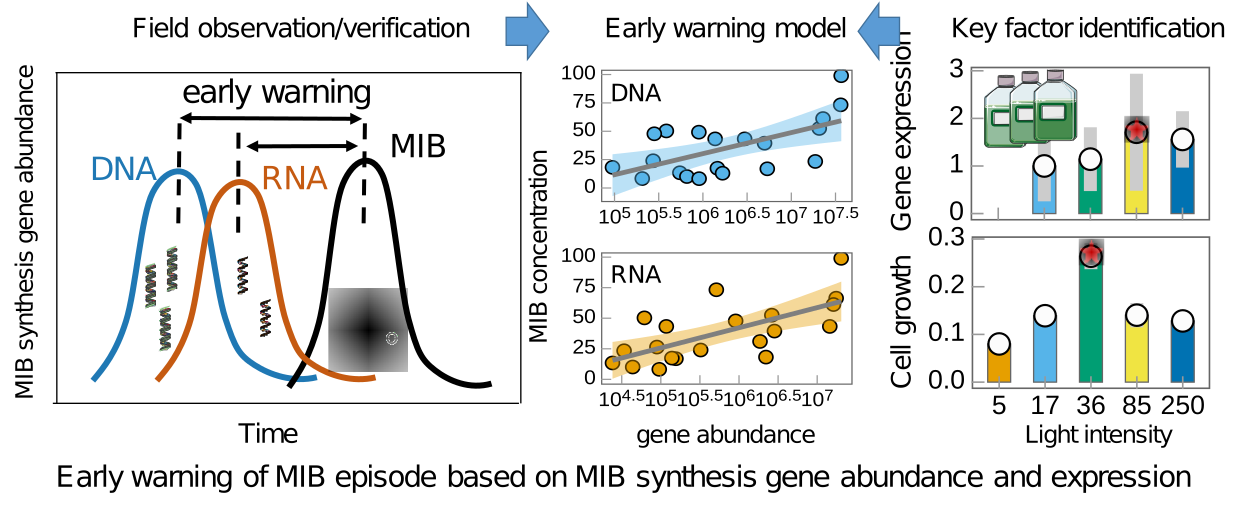 How to know when MIB episode comes? / Gene may tell you. Try / qPCR with mic gene!
 -
018 MIB-derived odor management based upon hydraulic regulation in small drinking water reservoirs: Principle and application
The musty odorant (2-methylisoborneol, MIB) is prevalent in source water reservoirs and has become one of the major challenges for drinking water quality. This study proposes an approach to control the growth of MIB-producing cyanobacteria in a small reservoir based on hydraulic regulation, according to the results of long-term field investigations, laboratory culture experiments, model construction, and field application. Field investigations found that longer hydraulic retention time (HRT) is a factor that triggers MIB episodes. The culture study revealed that the maximum cell density, growth rate of MIB-producing Planktothricoides raciborskii, and MIB concentration are determined by the HRT (R2= 0.94, p-value < 0.001) and can be minimized by decreasing the HRT to less than 10 $d$. On this basis, an HRT regulation model was constructed and validated by field investigation, and critical HRT values were evaluated for 14 cyanobacteria genera. By decreasing the HRT to 5.4 ± 0.8 $d$, which is lower than the critical value of 7.5 ~ 15.0 $d$, an MIB episode was successfully terminated in ZXD Reservoir in 2021. The results suggest that the proposed principle can provide a scientific basis for HRT regulation, which has been proved to be effective and feasible. This approach avoids negative impacts on water quality, does not require extra investment in engineering infrastructure, and in some cases may be applied readily by changing existing operational procedures. Therefore, HRT-based regulation is a promising strategy targeting MIB control and possibly for other cyanobacterial-derived water quality problems in small reservoirs.
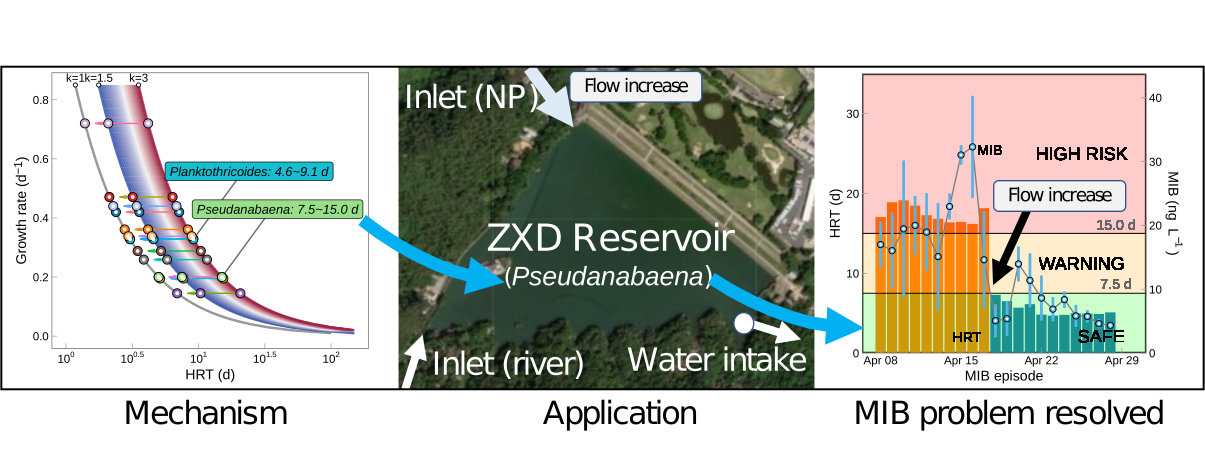 Small reservoirs / Adjust HRT to halt / MIB odors.
 -
017 Driving forces for the growth of MIB-producing Planktothricoides raciborskii in a low-latitude reservoir
In comparison with the middle- and high-latitude regions, the low-latitude regions are less associated with the occurrence of 2-methylisoborneol (MIB) episodes, since most of the previously identified MIB producers favor moderate/low light/temperature conditions. Here, we report a serious MIB outbreak over the period from Jul. 2018 to Jun. 2019 in a low-latitude reservoir with a mean annual water temperature of 25.6 °C. The MIB episode lasted for a long period, from Jul. 2018 to Jan. 2019, and Planktothricoides raciborskii was confirmed to be the main MIB producer. The growth characteristics of P. raciborskii were explored through both laboratory culturing and on-site verification experiments. The results indicated that this strain was not nutrient-sensitive at TN > 800 μg L−1 and TP > 10 μg L−1, but favored moderate light intensity (54 μmol photon m−2·s−1) and high temperature (30 °C). The two bloom-forming genera, Limnothrix and Aphanizomenon, favoring lower temperature and similar or relatively higher light intensity, showed much greater proliferation, about 13 folds (Limnothrix) and 58 folds (Aphanizomenon), from Dec. to Jun.; by contrast, the high water temperature (29.9 ± 2.8 °C) and light intensity (189.1 ± 87.6 μmol photon m−2·s−1) from Jul. to Nov. were not favorable to Limnothrix or Aphanizomenon, which might have created an opportunity for the growth of MIB-producing P. raciborskii. In addition, we also found that high temperature could promote the release of MIB from P. raciborskii cells, therefore exerting increased pressure on drinking water treatment processes.
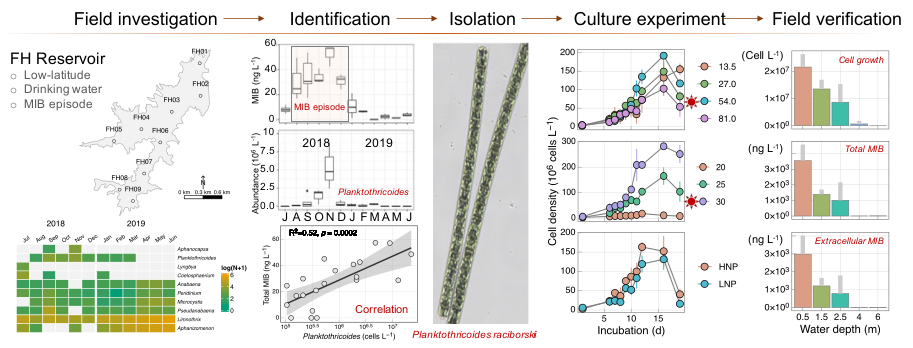 MIB persists long / Warm reservoirs bloom anew / Odor challenges.
 -
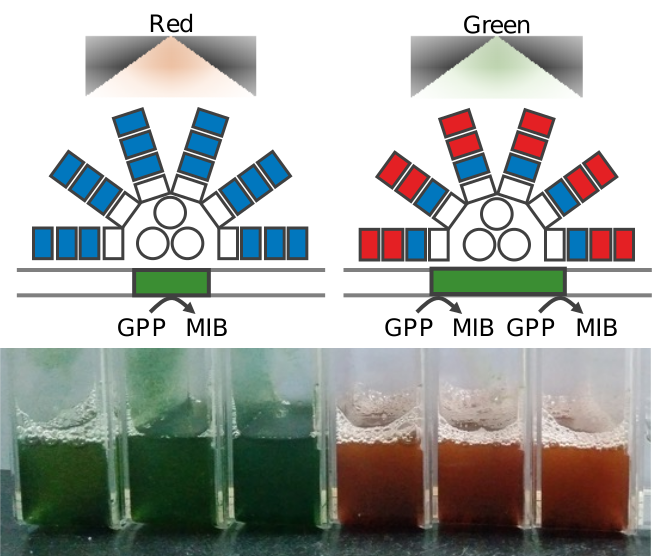
016 Biosynthesis of 2-methylisoborneol is regulated by chromatic acclimation of Pseudanabaena
Cyanobacteria can sense different light color by adjusting the components of photosynthetic pigments including chlorophyll a (Chl a) , phycoerythrin (PE), and phycocyanin (PC), etc. Filamentous cyanobacteria are the main producer of 2‐methylisoborneol (MIB) and many can increase their PE levels so that they are more competitive in subsurface layer where green light is more abundant, and have caused extensive odor problems in drinking water reservoirs. Here, we identified the potential correlation between MIB biosynthesis and ambient light color induced chromatic acclimation (CA) of a MIB-producing Pseudanabaena strain. The results suggest Pseudanabaena regulates the pigment proportion through Type III CA (CA3), by increasing PE abundance and decreasing PC in green light. The biosynthesis of MIB and Chl a share the common precursor, and are positively correlated with statistical significance regardless of light color ($R2 = 0.68$, $p < 0.001$). Besides, the PE abundance is also positively correlated with Chl a in green light ($R2 = 0.57$, $p = 0.019$) since PE is the antenna that can only transfer the energy to PC and Chl a. In addition, significantly higher MIB production was observed in green light since more Chl a was synthesized.
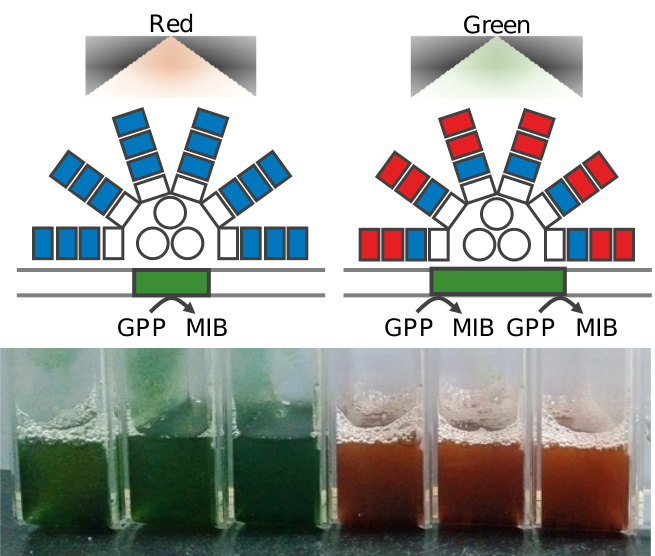 Green light promotes / MIB synthesis and PE / Odor risks increase
 -
015 Evaluation of the MIB-producing potential based on real-time qPCR in drinking water reservoirs
Cyanobacteria release 2-methylisoborneol (MIB) as a secondary metabolite. Here, we propose a reverse transcription quantitative real-time PCR (RT-qPCR) based method to evaluate the MIB-producing potential in source water by detecting the MIB-synthesis gene (mic). A MIBQSF/R primer set was designed based on 35 mic gene sequences obtained from 12 pure-cultured MIB-producing strains and 23 sequences from the NCBI database. This primer set successfully identified all known 43 MIB-producing cyanobacterial strains (12 from this study and 31 from the NCBI database), belonging to different genera, showing a wider coverage than previous primer sets. The efficiency of the method was proved by the amplification efficiency (E = 91.23%), R2 of the standard curve (0.999), the limit of detection (LOD, 5.7 fg μL−1), and the limit of quantification (LOQ, 1.86 × 10⁴ gene copies μL−1). Further, the method was verified by the correlation between the mic gene abundance and MIB concentration 50 field samples from different reservoirs (R2 = 0.614, p < 0.001) and one reservoir (R2 = 0.752, p < 0.001), suggesting its potential as an alternative warning tool to evaluate the risk of MIB problems in source water.
 Green light promotes / MIB synthesis and PE / Odor risks increase
 -
014 Light-Dominated Selection Shaping Filamentous Cyanobacterial Assemblages Drives Odor Problem in a Drinking Water Reservoir
Filamentous cyanobacteria have substantial niche overlap, and the causal mechanism behind their succession remains unclear. This has practical significance since several filamentous genera are the main producers of the musty odorant 2-methylisoborneol (MIB), which lead to odor problems in drinking water. This study investigates the relationships between two filamentous cyanobacteria, the MIB-producing genus Planktothrix and the non-MIB-producing genus Pseudanabaena, in a drinking water reservoir. We firstly identified their niche characteristics based on a monitoring dataset, combined this information with culture experiments and developed a niche-based model to clarify these processes. The results reveal that the optimal light requirements of Pseudanabaena (1.56 mol m-2d-1) are lower than those of Planktothrix (3.67 mol m-2d-1); their light niche differentiation led to a fundamental replacement of Planktothrix (2013) by Pseudanabaena (2015) along with MIB decreases in this reservoir during 2013 and 2015. This study suggests that light is a major driving force responsible for the succession between filamentous cyanobacteria, and that subtle niche differentiation may play an important role in shaping the filamentous cyanobacterial assemblages that drives the MIB odor problems in drinking water reservoirs.
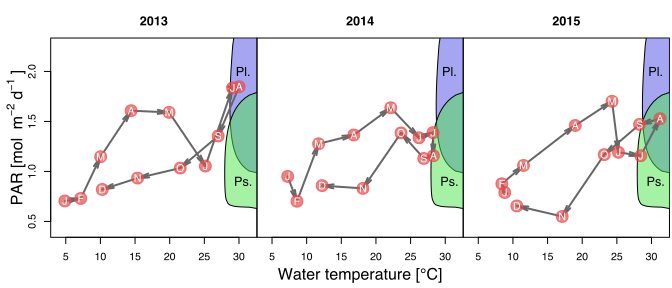 Light shapes their niche / Pseudanabaena reigns / Odors subside slow
 -
013 Identification of MIB producers and odor risk assessment using routine data: A case study of an estuary drinking water reservoir
Identification of MIB(2-methylisoborneol)-producing cyanobacteria in source water has been a big challenge for reservoir authorities because it normally requires isolation of cyanobacteria strains. Here, a protocol based on Pearson’s product moment correlation analysis combined with standardized data treatment and expert judgement was developed to sort out the MIB producer(s), mainly based on routine monitoring data from an estuary drinking water reservoir in the Yangtze River, China, and a risk model using quantile regressions was established to evaluate the risk of MIB occurrences. This reservoir has suffered from MIB problems in summer since 2011. Among 323 phytoplankton species, _Planktothrix_ was judged to be the MIB producer in this reservoir because it exhibited the highest correlation coefficient ($R$ = 0.60) as well as the lowest false positive-ratio (FP% = 0) and false-negative rate (FN% = 14). The low false-positive rate is particularly important, since MIB should not detected without detection of the producer. A high light extinction coefficient (k = 5.57±2.48 m-1) attributed to high turbidity loading in the river water lowered the subsurface water light intensity, which could protect the low irradiance _Planktothrix_ from excessive solar radiation, and allow them to grow throughout the summer. The risk model shows that the probability of suffering unacceptable MIB concentrations (>15 ng L-1) in water is as high as 90% if the cell density of _Planktothrix_ is >609.0 cell mL-1, while the risk will be significantly reduced to 50% and 10% at cell densities of 37.5 cell mL-1 and 9.6 cell mL-1, respectively. The approach developed in this study, including the protocol for identification of potential producers and the risk model, could provide a reference case for the management of source water suffering from MIB problems using routine monitoring data.
 MIB detection done, / Estuary's risk forecasted, / Water treatment strain.
 -
012 Ecological niche and *in-situ* control of MIB producers in source water
Odor problems in source water caused by 2-methylisoborneol (MIB) have been a common issue in China recently, posing a high risk to drinking water safety. The earthy-musty odorant MIB has an extremely low odor threshold (4–16 ng L-1) and is hard to remove via conventional processes in drinking water plants (DWP), and therefore could easily provoke complaints from consumers. This compound is produced by a group of filamentous cyanobacteria, mainly belonging to Oscillatoriales. Different from the well-studied surface-blooming Microcystis, filamentous cyanobacteria have specific niche characteristics that allow them to stay at a subsurface or deep layer in the water column. The underwater bloom of these MIB producers is therefore passively determined by the underwater light availability, which is governed by the cell density of surface scum. This suggests that drinking water reservoirs with relatively low nutrient contents are not able to support surface blooms, but are a fairly good fit to the specialized ecological niche of filamentous cyanobacteria; this could explain the widespread odor problems in source water. At present, MIB is mainly treated in DWP using advanced treatment processes and/or activated carbon, but these post-treatment methods have high cost, and not able to deal with water containing high MIB concentrations. Thus, in situ control of MIB producers in source water is an effective complement and is desirable. Lowering the underwater light availability is a possible measure to control MIB producers according to their niche characteristics, which can be obtained by either changing the water level or other measures.
 MIB lingers low, / Hidden where the light won’t go— / Waters whisper woes.
 -
011 Succession and interaction of surface and subsurface cyanobacterial blooms in oligotrophic/mesotrophic reservoirs: A case study in Miyun Reservoir
Subsurface cyanobacterial blooms are a significant source of odor problems in source water, particularly in oligotrophic/mesotrophic reservoirs. This study explores the key driving forces behind the succession between surface and subsurface cyanobacteria in Miyun Reservoir, China, using ecological niche modelling. Results indicate that water depth and surface light irradiance (I0) have a negative effect on subsurface _Planktothrix_ sp. growth, while surface water temperature (T0) follows a unimodal effect with an optimum at 23°C. For surface _Microcystis_ spp., temperature and the interaction between temperature and light irradiance are key factors. The study suggests that high irradiance and nutrient availability during the pre-bloom stage favor surface cyanobacteria, while the post-bloom decline of surface cyanobacteria allows for the growth and succession of subsurface cyanobacteria in deeper layers, where nutrient supply remains adequate. The growth potential of subsurface cyanobacteria is higher than that of surface cyanobacteria in shallow oligotrophic and deep eutrophic reservoirs during median light irrigation seasons.
 Cyanobacteria grow, / Surface and subsurface dance, / Reservoirs transform.
 -
009 Light as a possible regulator of MIB-producing Planktothrix in source water reservoir, mechanism and in-situ verification
The musty/earthy odor-causing compound 2-methylisoborneol (MIB) is frequently associated with subsurface-living cyanobacteria like Planktothrix in source water. This study explores the effects of light availability on MIB production and the growth of Planktothrix in laboratory and in-situ settings. The results demonstrated that Planktothrix requires a minimum light intensity of 4.4 μmol photons m-2 s-1 to grow and that reducing light availability can effectively restrict its growth. Field experiments in Miyun Reservoir confirmed the findings, with the lowest MIB levels observed at depths where light intensity was below the threshold. This research highlights the potential of managing underwater light availability as a strategy to control MIB-producing cyanobacteria in source water systems.
 Light nurtures the deep, / Shadows hold their quiet sweep— / Cyanobacteria creep.
 -
008 Production and fate of fishy odorants produced by two freshwater chrysophyte species under different temperature and light conditions
Fishy odor has become one of the most common aesthetic water quality problems in drinking water. This study investigates the effect of temperature (8, 16, and 24°C) and light intensity (10, 41, and 185 μmol photons m−2 s−1) on algal growth and odorant production in two chrysophyte species, Synura uvella and Ochromonas sp., which are associated with fishy odor events. Five polyunsaturated aldehyde derivatives, including 2,4-heptadienal, 2-octenal, 2,4-octadienal, 2,4-decadienal, and 2,4,7-dectridienal, were identified as fishy odorants. The study shows that while biomass yield increases with temperature, higher odorant yields are obtained at lower temperatures (8°C). The production of odorants and cell yield decreases with increasing light intensity. Biodegradation and volatilization of odorants are temperature-dependent, with the half-lives for biodegradation varying from 6–10 hours at 8°C to 2–4 hours at 24°C, and volatilization half-lives ranging from 36–97 days at 8°C to 6–17 days at 24°C. These findings help explain why fishy odor events are more common in cooler seasons and provide insight into managing fishy odor problems in aquatic environments.
 Fishy scents arise, / Cold waters whisper secrets— / Light and warmth decide.
 -
005 Reducing production of taste and odor by deep-living cyanobacteria in drinking water reservoirs by regulation of water level
Abatement and control of algae producing toxins and creating taste & odor (T&O) in drinking water sources is a major challenge for water supply. This study proposes a strategy based on water level regulation for controlling odor-producing cyanobacteria in source water. Miyun Reservoir, Beijing's main surface water source, has suffered from 2-methylisoborneol (2-MIB)-induced T&O problems caused by deep-living _Planktothrix_ sp. since 2002. The biomass of _Planktothrix_ was found to be mainly governed by the water depth above its sediment habitat.
 Cyanobacteria deep, / Water levels shifted steep, / Odor risks now asleep.
 -
004 MIB-producing cyanobacteria (*Planktothrix* sp.) in a drinking water reservoir: Distribution and odor producing potential
The production of odorant 2-methylisoborneol (MIB) in water bodies by _Planktothrix sp._ has not been understood very well. Through a four-year investigation in Miyun Reservoir, a mesotrophic drinking water reservoir known to have MIB episodes, it was found that _Planktothrix sp._ blooms during September and October cause high levels of MIB in the reservoir. Measurements (n = 887) of MIB concentrations and biomass of MIB-producing cyanobacteria at different sites and depths revealed that shallow regions of the reservoir serve as the major habitat for _Planktothrix sp._ due to light penetration and nutrient-rich sediments. Quantile regression analysis indicated a 90% risk of MIB exceeding the odor threshold (15 ng L−1) when _Planktothrix_ density exceeded 4.0 × 10⁵ cells L−1, reduced to 10% at densities below 1.6 × 10⁴ cells L−1. This study enhances understanding of _Planktothrix sp._ ecology and offers insights for managing taste and odor (T&O) issues in drinking water sources.
 Cyanobacter bloom, / Shallow waters' MIB, / Odor risks arise.
 -
003 Importance of underwater light field in selecting phytoplankton morphology in a eutrophic reservoir
This study investigates the effects of solar radiation fluctuations on the dynamics of phytoplankton communities, specifically focusing on the selection of phytoplankton morphology in eutrophic water bodies, where nutrient effects are considered minimal. Two morphological descriptors—cellular projected area and flattening index—were developed to reflect the cells' light-harvesting potential and energy requirements. A model was built to evaluate how natural light availability affects phytoplankton assemblages, considering underwater light field and mixing processes in the water column. Data from the eutrophic Yanghe Reservoir were used to derive the model, incorporating the solar elevation angle and mixing/euphotic depth ratio. Post-analysis revealed that species with large area and flattening index are favored in spring and winter under low light availability, while species with smaller area and index dominate in summer. Larger morphological traits allow cells to capture more light and require less energy, making them advantageous in low-light conditions. This research concludes that the underwater light field is a critical factor in determining phytoplankton morphology in eutrophic water bodies.
 Light field in water, / Phytoplankton choose their form, / Seasonal changes.
 -
002 Spatial and temporal variations of two cyanobacteria in the mesotrophic Miyun reservoir, China
In this study, spatial variations in the phytoplankton community of the Miyun reservoir (North China) were investigated over a 5-month period in 2009. The focus was on two cyanobacteria genera: _Microcystis_, a toxin-producing species, and _Oscillatoria_, a taste & odor producer. The dynamics of the phytoplankton community were represented by the dominance of cyanobacteria in summer and fall, followed by a short-term dominance of chlorophyta in late fall. In October, the diatom community showed high abundance. Maximum phytoplankton biomass was found in the northern shallow region of the reservoir, which had higher nutrient levels. The study revealed that environmental factors strongly influenced the growth of the cyanobacteria: the biomass of _Microcystis_ was particularly affected by water temperature and mixing depth, while _Oscillatoria_ biomass was influenced by total dissolved phosphorus in the surface and middle layers, and by the Secchi depth in the bottom layer. Abundant _Oscillatoria_ biomass was observed in late September when the biomass of _Microcystis_ had decreased, allowing more light to penetrate.
 Cyanobacteria bloom, / In Miyun’s mesotrophic, / Depths of the water.
 -
001 Establishment of quantitative PCR methods for the quantification of geosmin-producing potential and *Anabaena* sp. in freshwater systems
Geosmin is often associated with off-flavor problems in drinking water, particularly produced by Anabaena sp. Early detection of geosmin producers and geosmin levels is crucial for managing potential off-flavor events in freshwater systems. This study presents quantitative PCR (qPCR) methods to quantify both the Anabaena sp. population and geosmin-producing potential in freshwater environments. Primer sets targeting the rpoC1 gene of Anabaena sp. and the geosmin synthase gene were designed for this purpose. The qPCR methods were validated using simulated culture blooms and field samples. The density of the rpoC1 gene showed a strong correlation with cell counts, while geosmin synthase gene copies correlated with geosmin concentrations measured by GC-MS. The methods are faster and simpler than traditional techniques, enabling on-site detection and providing timely data for water quality management. They can reduce analysis time from days to just a few hours and are applicable for monitoring in various environmental settings.
 Geosmin presence felt, / PCR quickens the path, / Water's taste revealed.
 DOI
DOI