← Back to publications

Reducing production of taste and odor by deep-living cyanobacteria in drinking water reservoirs by regulation of water level

Cyanobacteria
Taste and odor (T&O)
Water level regulation
Drinking water reservoirs
Planktothrix
作者 / Authors
作者
单位

Key Laboratory of Drinking Water Science and Technology, Research Center for Eco-Environmental Sciences, Chinese Academy of Sciences

贾 东民

Miyun Reservoir Administration

于 建伟

Key Laboratory of Drinking Water Science and Technology, Research Center for Eco-Environmental Sciences, Chinese Academy of Sciences

Rolf D. Vogt

Department of Chemistry, University of Oslo

王 景仕

Miyun Reservoir Administration

安 伟

Key Laboratory of Drinking Water Science and Technology, Research Center for Eco-Environmental Sciences, Chinese Academy of Sciences

Key Laboratory of Drinking Water Science and Technology, Research Center for Eco-Environmental Sciences, Chinese Academy of Sciences

发布于

2017年01月01日

Doi
摘要

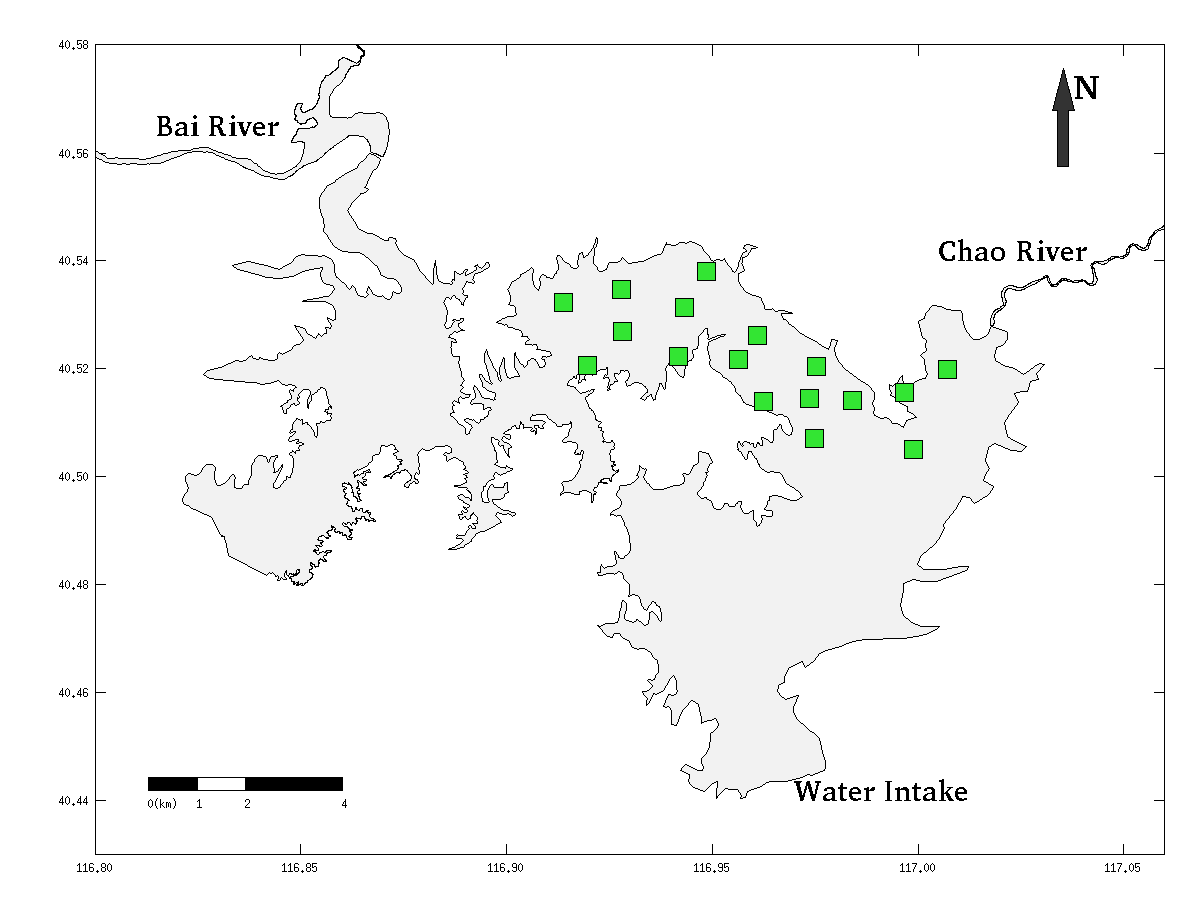
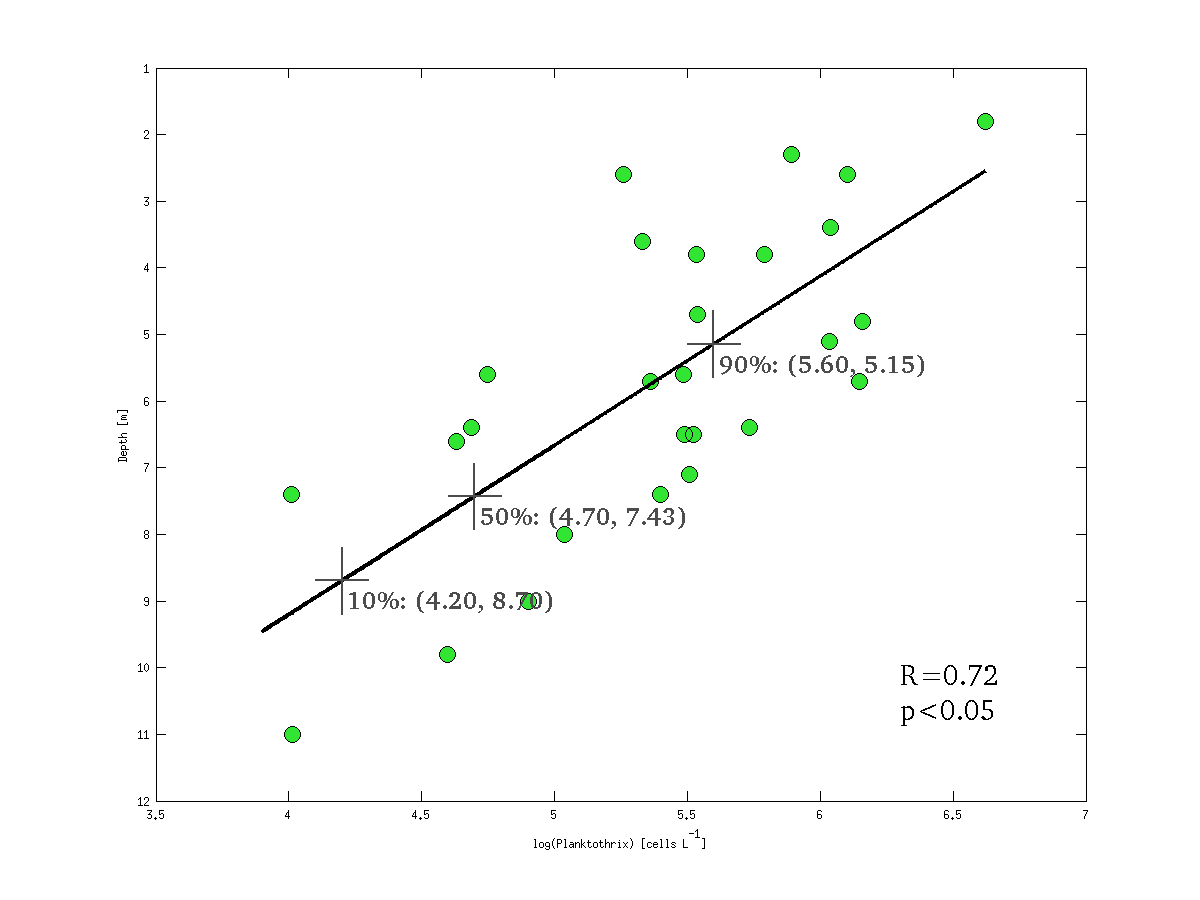
Abatement and control of algae producing toxins and creating taste & odor (T&O) in drinking water sources is a major challenge for water supply. This study proposes a strategy based on water level regulation for controlling odor-producing cyanobacteria in source water. Miyun Reservoir, Beijing’s main surface water source, has suffered from 2-methylisoborneol (2-MIB)-induced T&O problems caused by deep-living Planktothrix sp. since 2002. The biomass of Planktothrix was found to be mainly governed by the water depth above its sediment habitat. An algorithm for water level regulation was developed to minimize T&O risk in different reservoir types. In Miyun Reservoir, increasing the water level can reduce high-risk areas by about 2.91% of surface area per meter when the water level is below 145 m. To achieve an acceptable risk level (ARL) of 10%, the water level must be raised to at least 147.7 m a.s.l. from 131.0 m. This management strategy is simpler and cheaper than traditional physical, chemical, and biological techniques, with no apparent negative impacts on water quality or aquatic organisms.

Introduction by AI

摘要

Abatement and control of algae producing toxins and creating taste & odor (T&O) in drinking water sources is a major challenge for water supply. This study proposes a strategy based on water level regulation for controlling odor-producing cyanobacteria in source water. Miyun Reservoir, Beijing’s main surface water source, has suffered from 2-methylisoborneol (2-MIB)-induced T&O problems caused by deep-living Planktothrix sp. since 2002. The biomass of Planktothrix was found to be mainly governed by the water depth above its sediment habitat. An algorithm for water level regulation was developed to minimize T&O risk in different reservoir types. In Miyun Reservoir, increasing the water level can reduce high-risk areas by about 2.91% of surface area per meter when the water level is below 145 m. To achieve an acceptable risk level (ARL) of 10%, the water level must be raised to at least 147.7 m a.s.l. from 131.0 m. This management strategy is simpler and cheaper than traditional physical, chemical, and biological techniques, with no apparent negative impacts on water quality or aquatic organisms.

图摘要

内容概览

引用与导出

@Article{su2017reducing,
    title       = {Reducing production of taste and odor by deep-living cyanobacteria in drinking water reservoirs by regulation of water level},
    author      = {Ming Su and Dongmin Jia and Jianwei Yu and Rolf D. Vogt and Jingshi Wang and Wei An and Min Yang},
    year        = 2017,
    journal     = {Science of The Total Environment},
    volume      = 574,
    pages       = {1477--1483},
    doi         = {10.1016/j.scitotenv.2016.08.134}
}