Each summer and autumn, algae and the odors they can produce become a practical test of drinking-water safety. Behind what may seem like a subtle smell is a complete chain of ecology, technology, operations, governance, early warning, and public experience.
On August 27–28, the Jingjie Academic Salon on Algae Suppression and Odor Control was held on Changxing Island, Shanghai. The event was jointly organized by the National Engineering Research Center for Urban Water System Resilience and Low Carbonization and the National Engineering Research Center for Industrial Wastewater Detoxication and Resource Recovery, and hosted by the Zhongguancun Hand Environmental Observation Institute. Water & Wastewater Engineering, Environmental Engineering, Chinese Journal of Environmental Engineering, Water Purification Technology, People’s Yangtze River, and Hydropower and Water Resources supported the event.
More than 40 representatives from research institutions, water utilities, source-water management bodies, and public-health organizations joined the exchange. They came from institutions including the Research Center for Eco-Environmental Sciences of the Chinese Academy of Sciences (RCEES), the Chinese Research Academy of Environmental Sciences, the National Institute of Environmental Health of China CDC, China South-to-North Water Diversion Group Mid-Route Co., Ltd., the Taihu Basin Hydrology and Water Resources Monitoring Center, Shanghai Chengtou Water Group, Beijing Waterworks Group, the Hong Kong Water Supplies Department, and Macao Water. Their discussions addressed algae-related odor identification, source control, water treatment, standards, and source-water management.
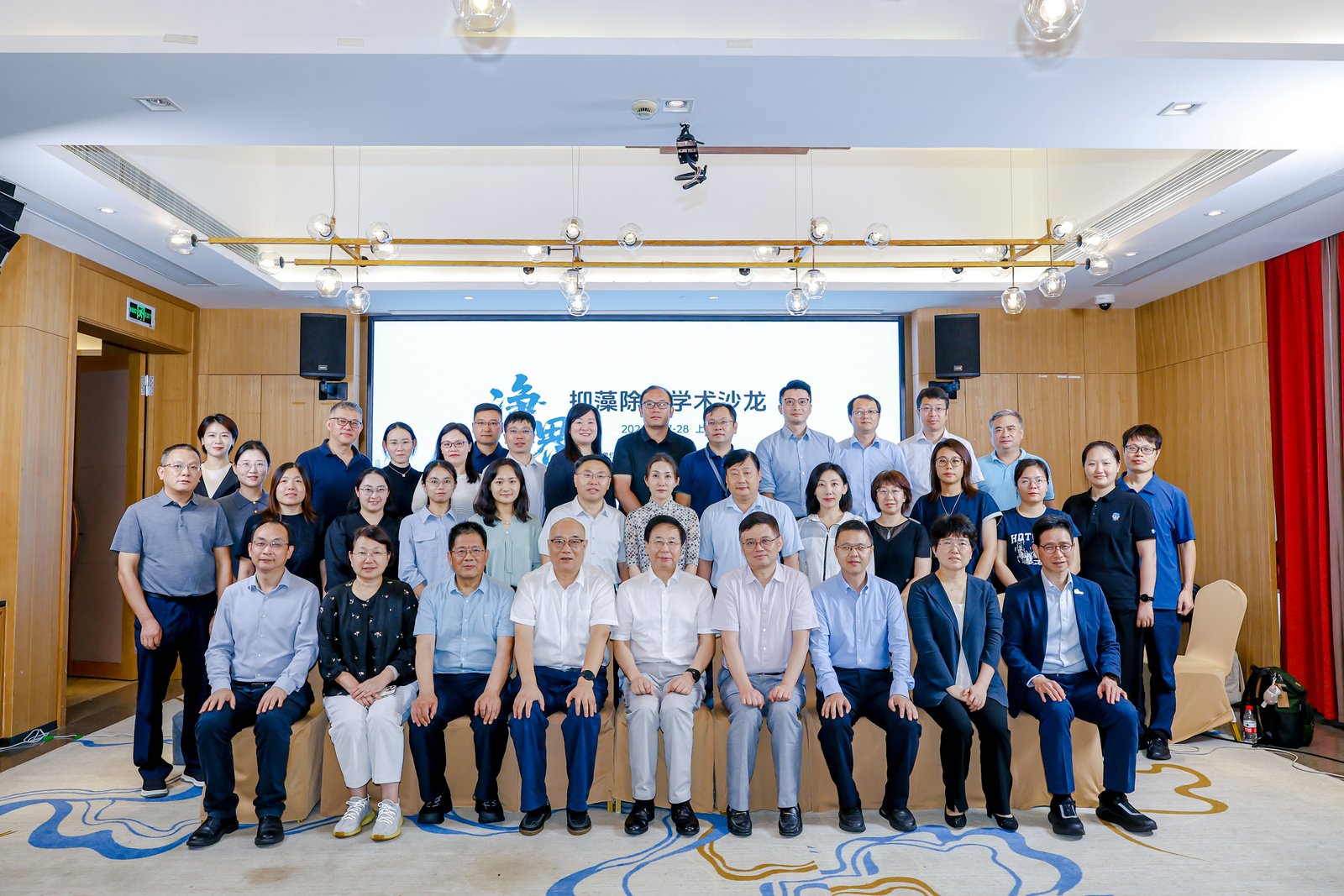
On August 27, participants visited Qingcaosha Reservoir to learn about the operation of a large drinking-water source and its algae- and odor-risk controls. The following day, technical presentations, an expert interview, and discussions traced odor management from scientific mechanisms and engineering practice to health standards and environmental management. The central question was how the sector can move from responding after an event to identifying risk early and managing it throughout the process.

Moving odor control upstream
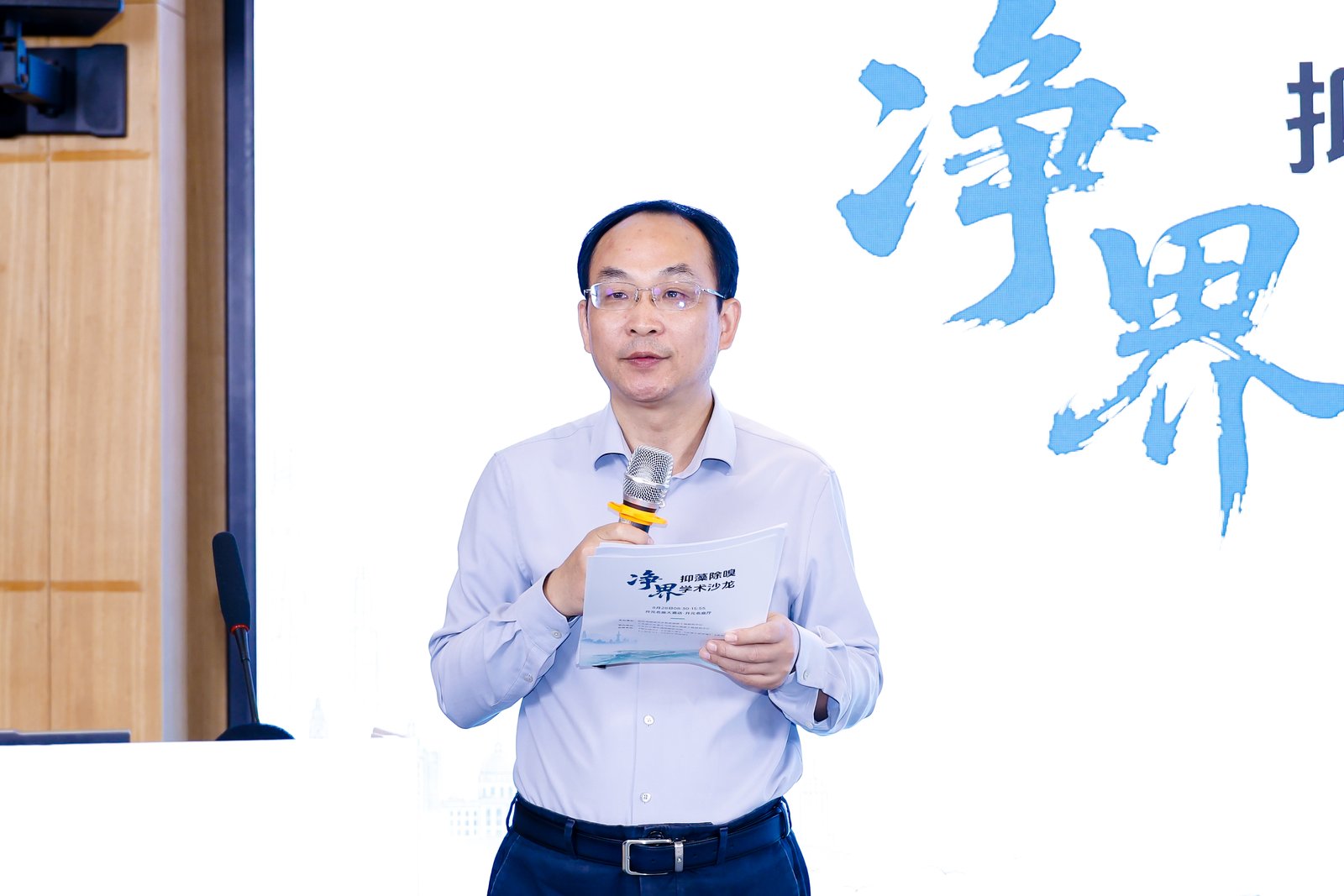
The morning session was chaired by Zhang Dong, Deputy Director of the National Engineering Research Center for Urban Water System Resilience and Low Carbonization.
From end-of-pipe response to source intervention
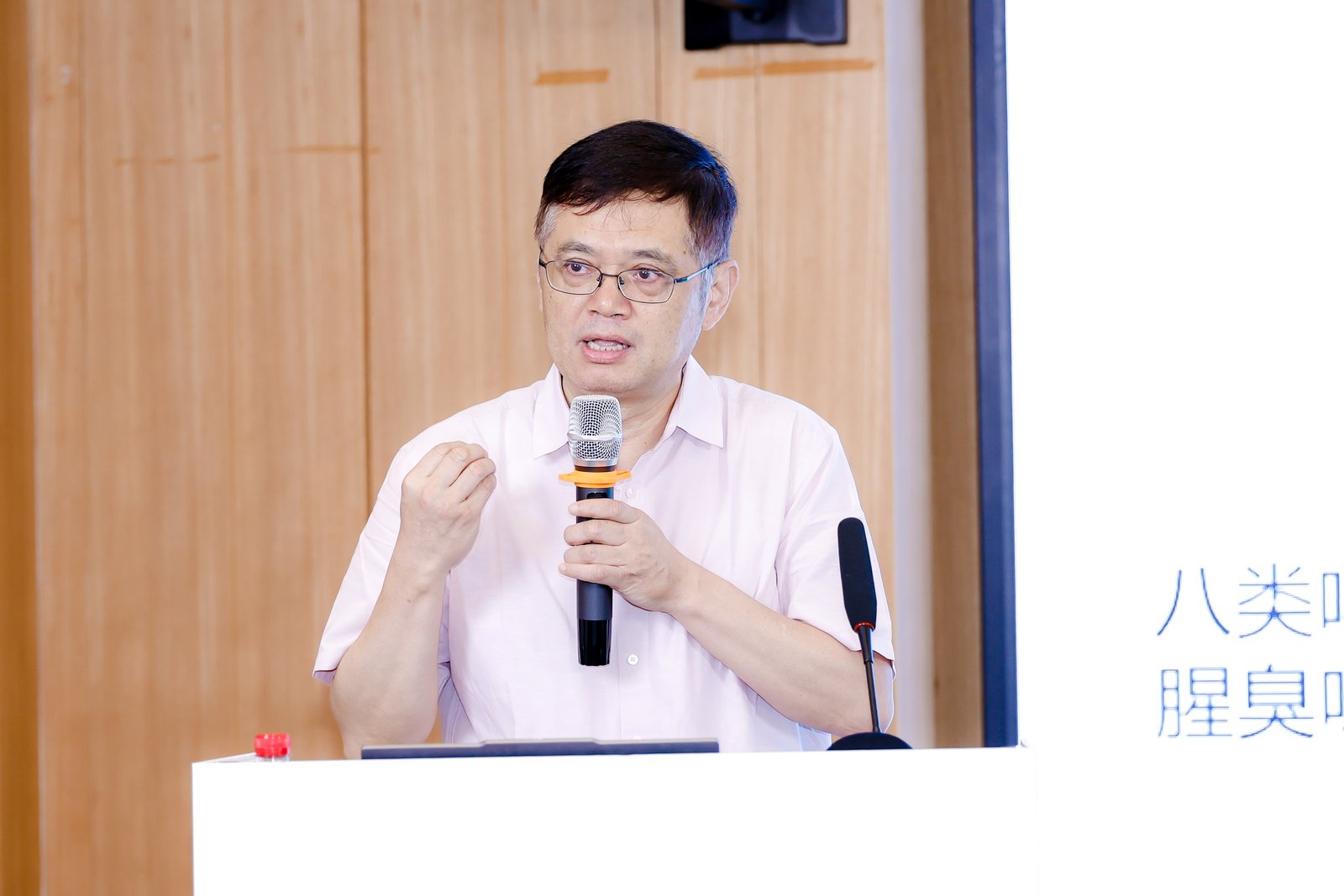
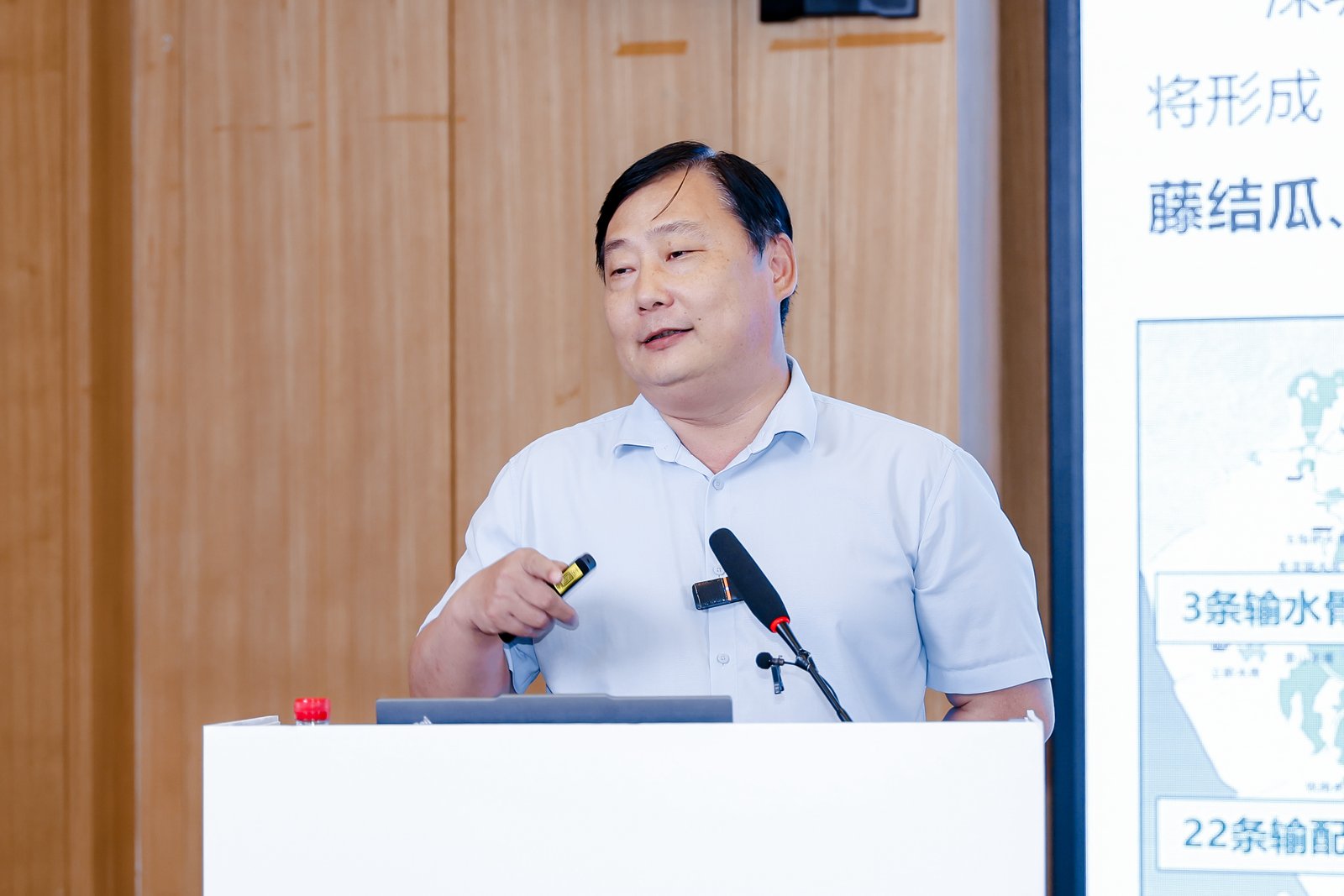
Min Yang, Professor at RCEES, presented “Drinking-Water Odors: Identification and Control.” He outlined the team’s technical framework for odor characterization, nationwide surveys, screening of odor-producing algae, and source-level algae control. Drawing on work at Miyun and Qingcaosha reservoirs, he described how simple, nature-based adjustments to water level, hydrodynamics, and underwater light can shift odor management upstream, enabling earlier risk identification and intervention.
Qingcaosha in practice: balancing storage security and algae-related odor risk
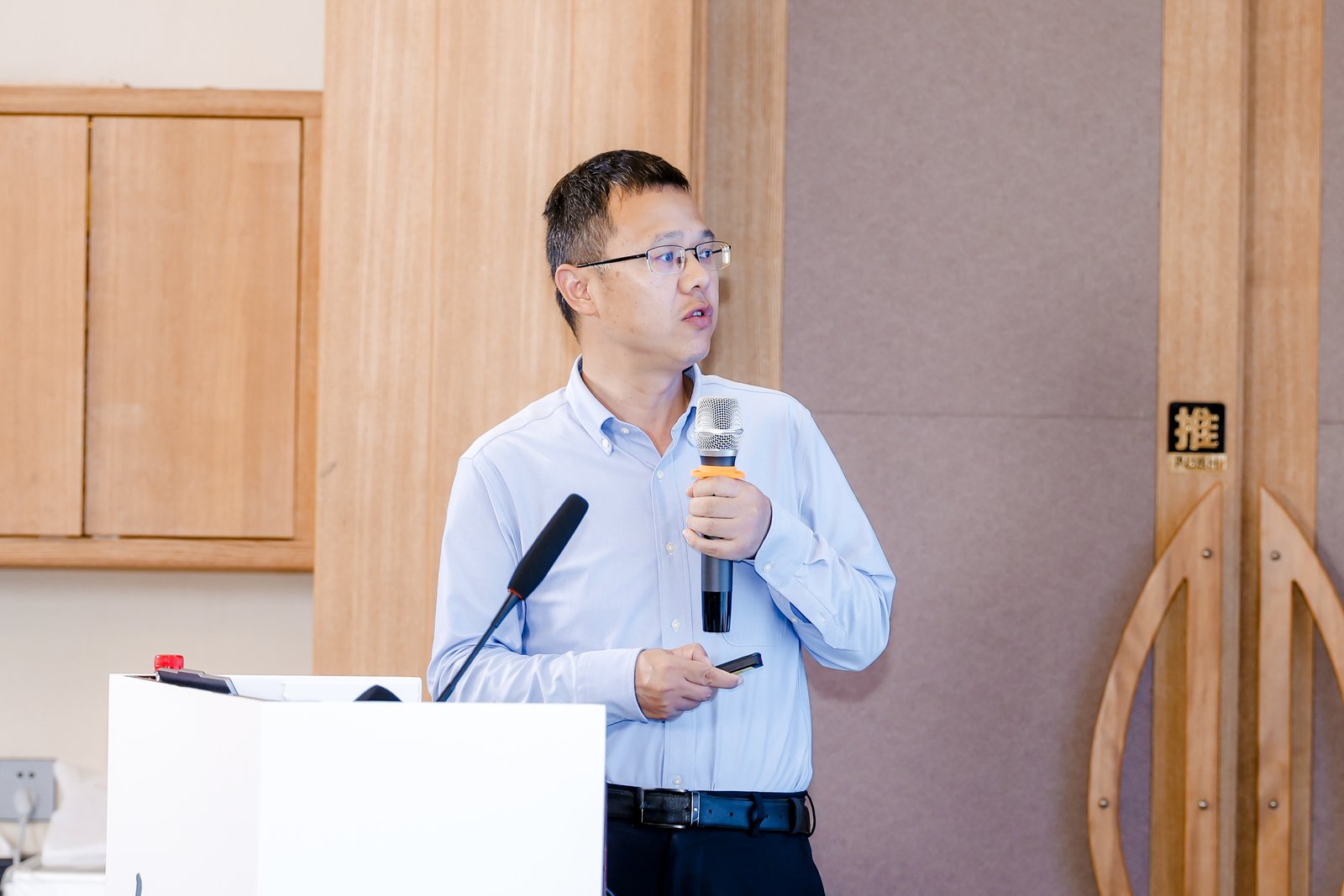
Yiping Zhu, Chief Engineer of Shanghai Chengtou Water Group, reviewed the evolution of algae monitoring, risk assessment, and operating strategies at Qingcaosha Reservoir. Under conditions such as extreme saltwater intrusion, measures including high-level storage, dynamic water exchange, turbidity control, and coordinated treatment-plant responses can jointly protect storage security and manage algae-related odor risk.
Standards: from sensory judgment to tiered, quantitative management
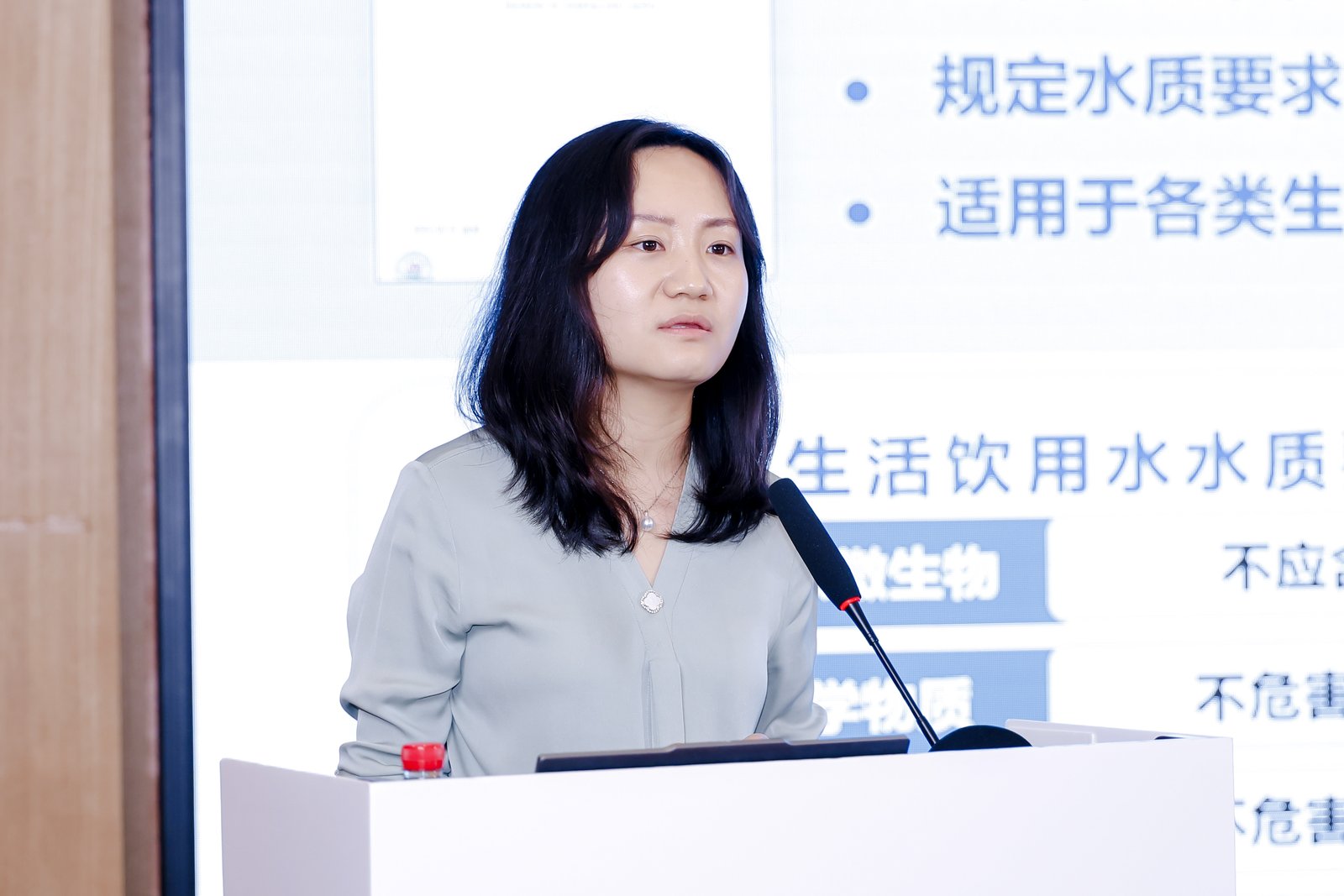
Jiayi Han, Associate Researcher and Deputy Director of the Water Quality and Health Monitoring Office at China CDC’s National Institute of Environmental Health, introduced the development and application of odor indicators in China’s drinking-water health standards. The current framework combines sensory control, quantitative limits for representative odorants, and a reserve of reference indicators, while emphasizing monitoring and early warning tailored to source type and seasonal risk.
Protecting the source as routine governance
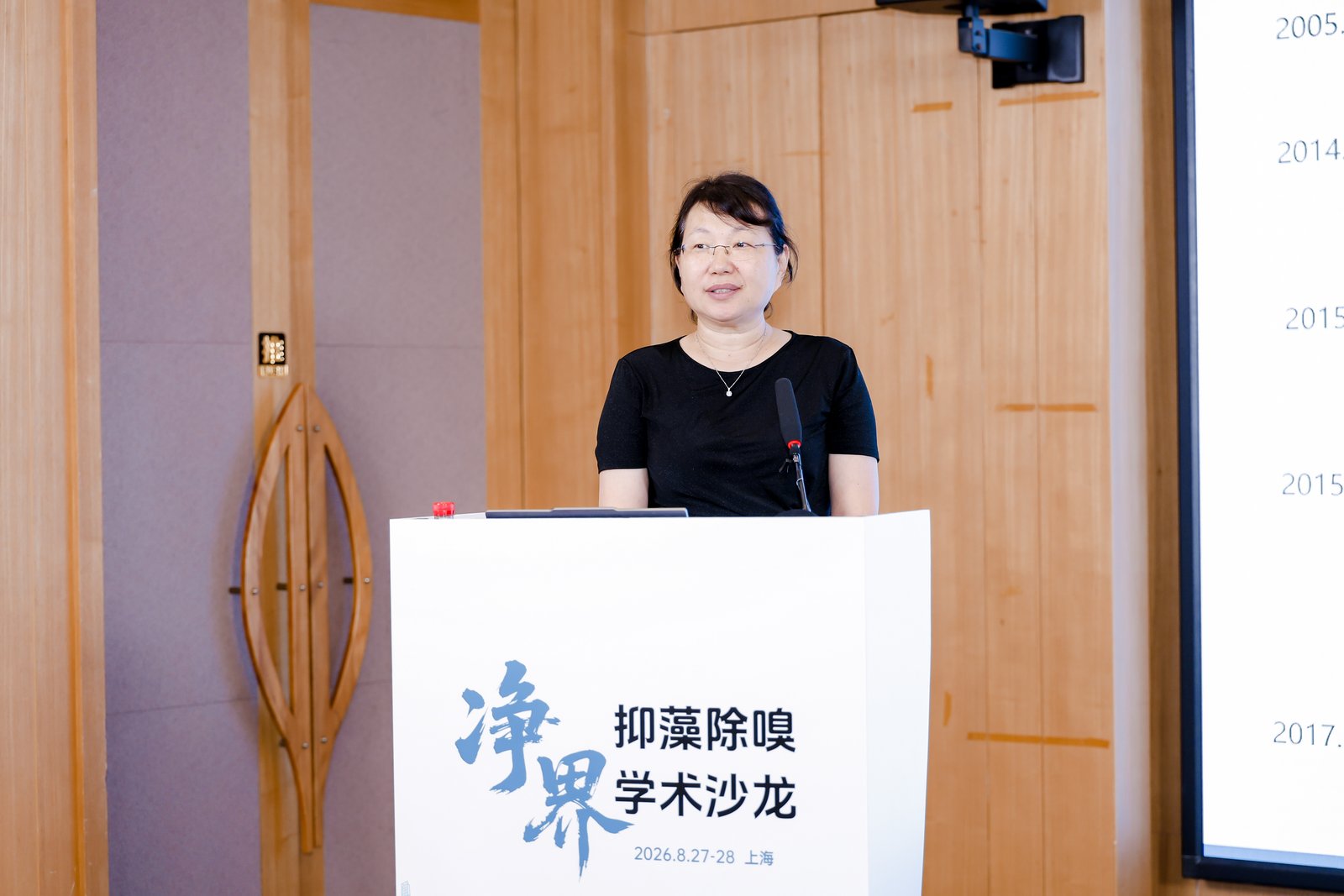
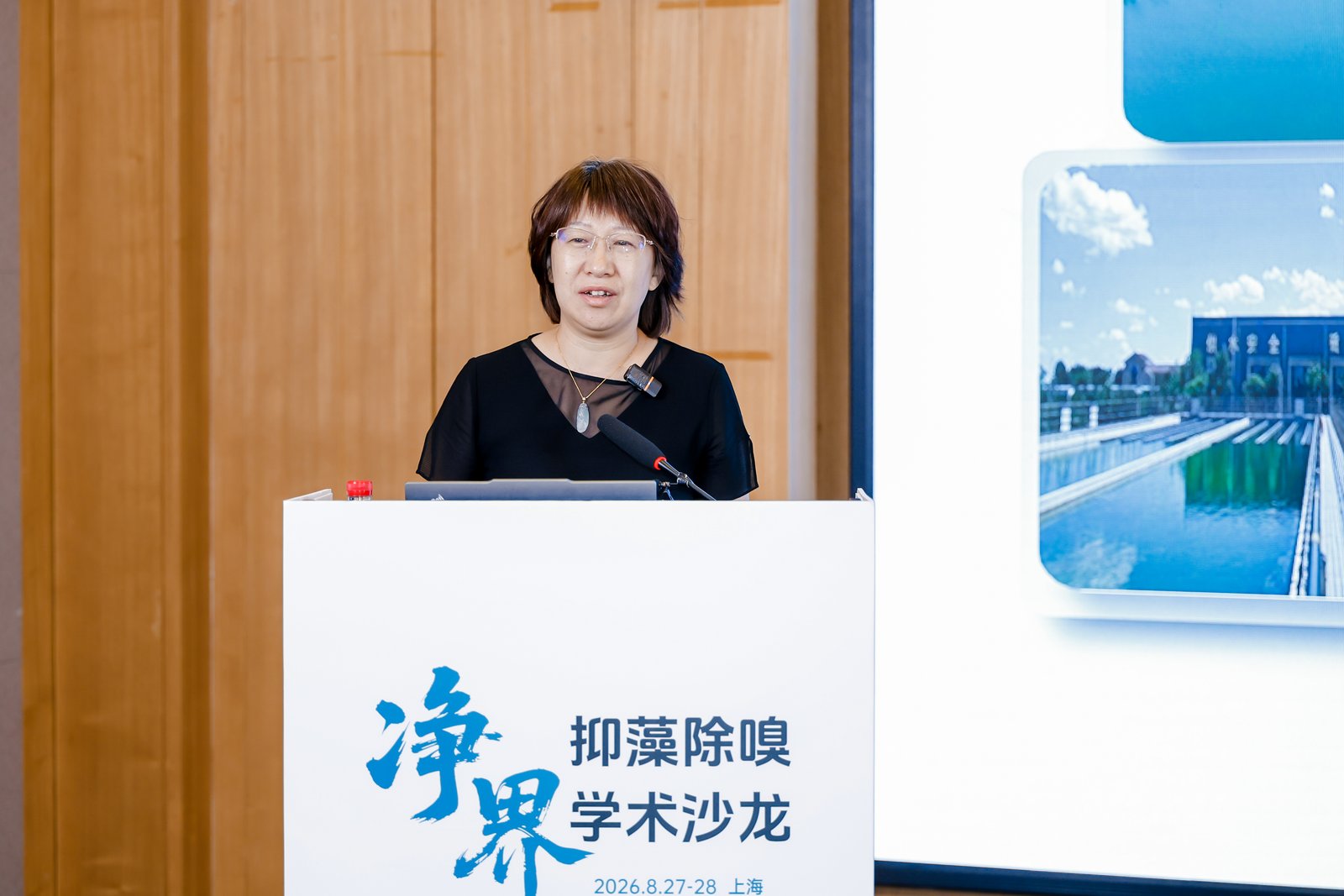
Qing Fu, Professor at the Chinese Research Academy of Environmental Sciences, reviewed progress in policies, assessments, remediation programs, and information-based management for centralized drinking-water sources. For lake and reservoir sources, she highlighted the continuing need to address eutrophication, changing total nitrogen, and algae-derived risks through source investigations, long-term trend monitoring, interagency coordination, and emergency preparedness.
From individual incidents to a technical system
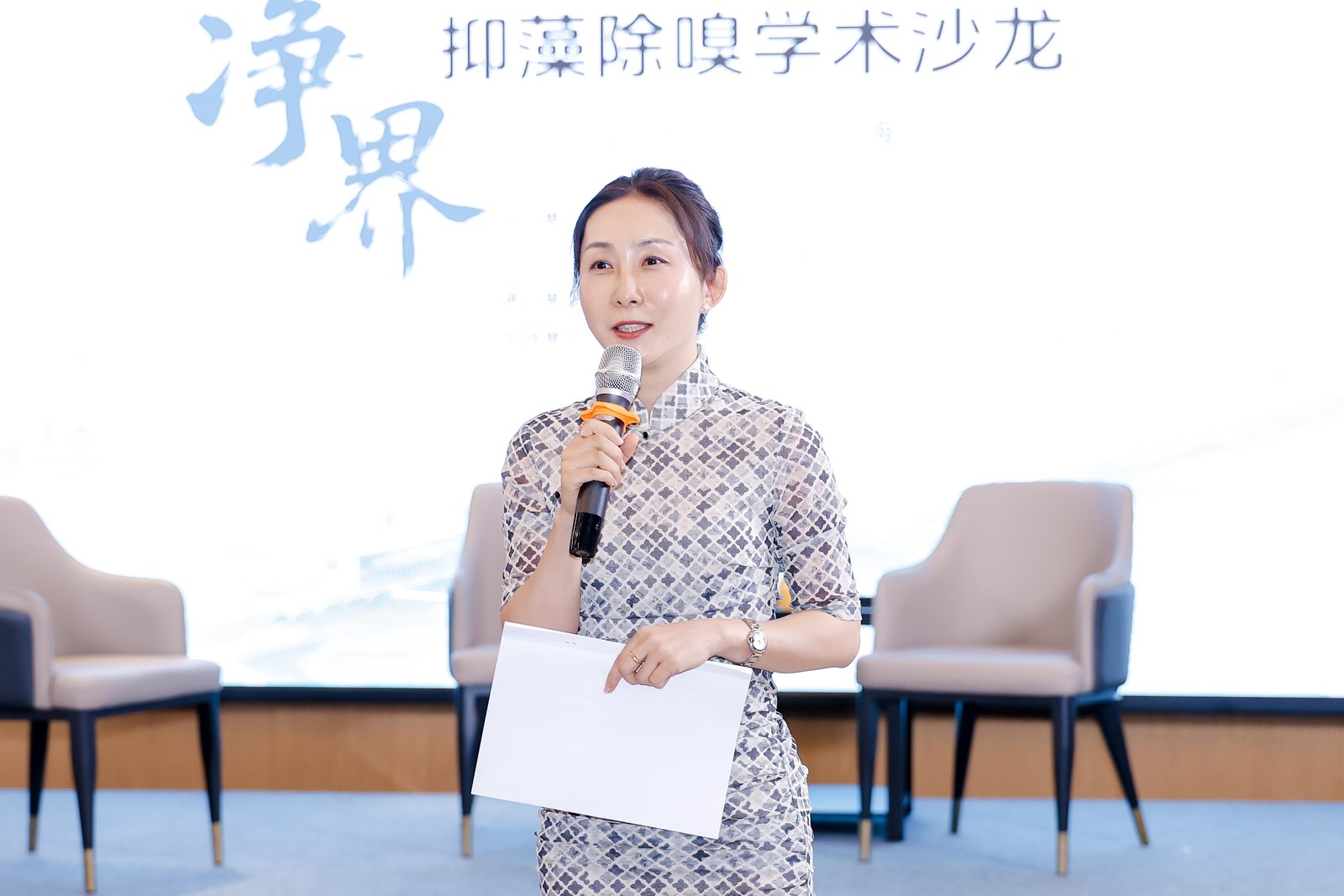
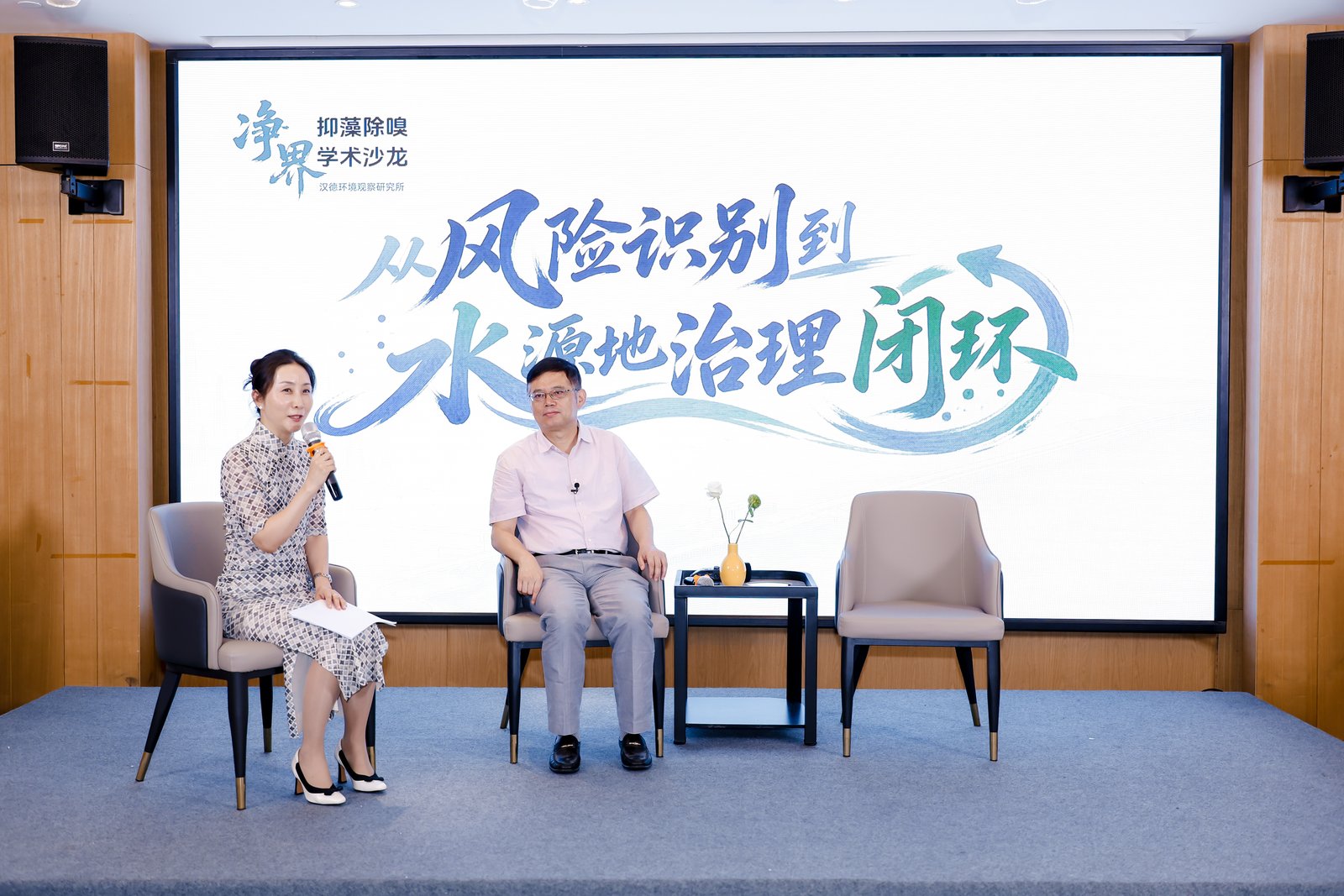
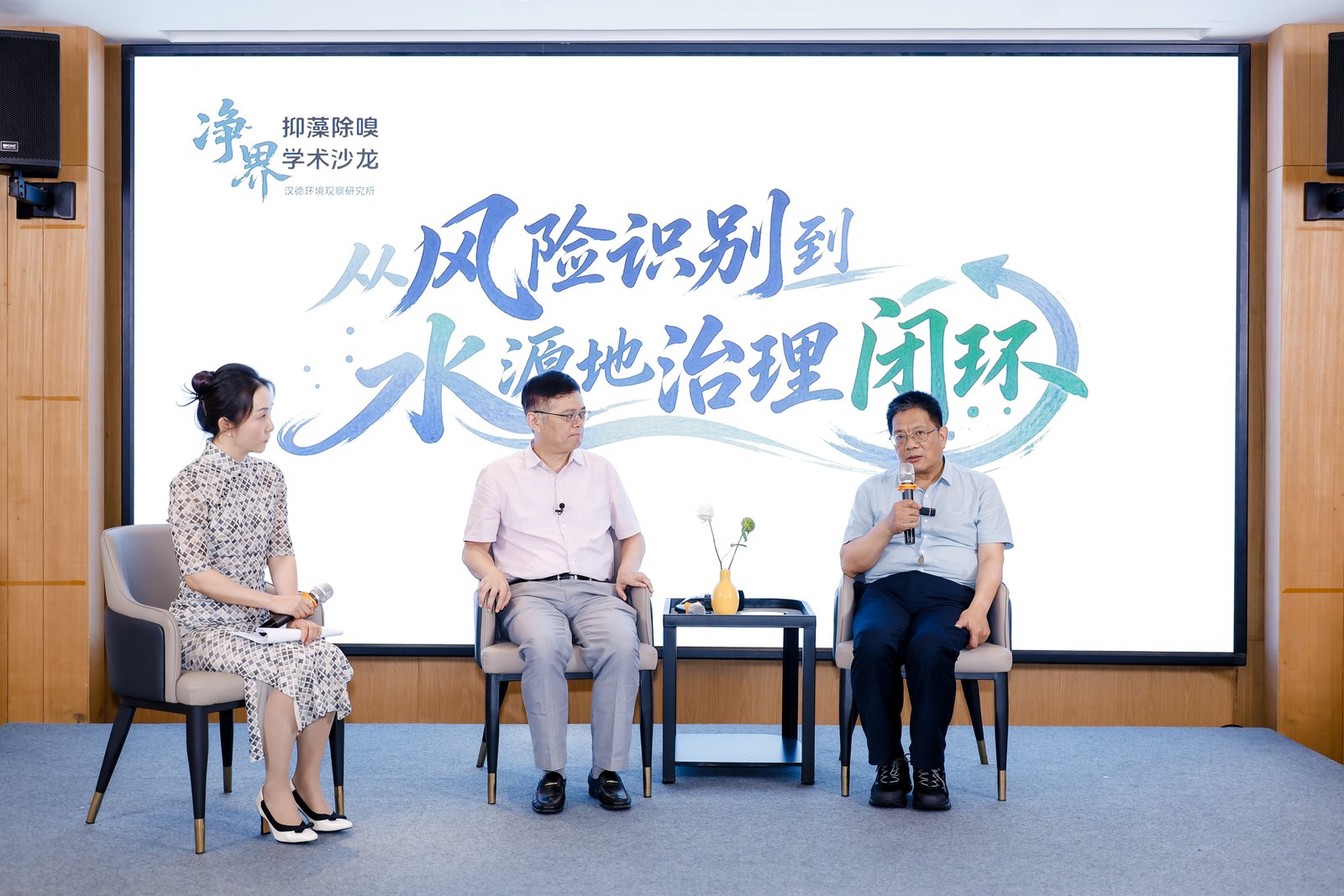
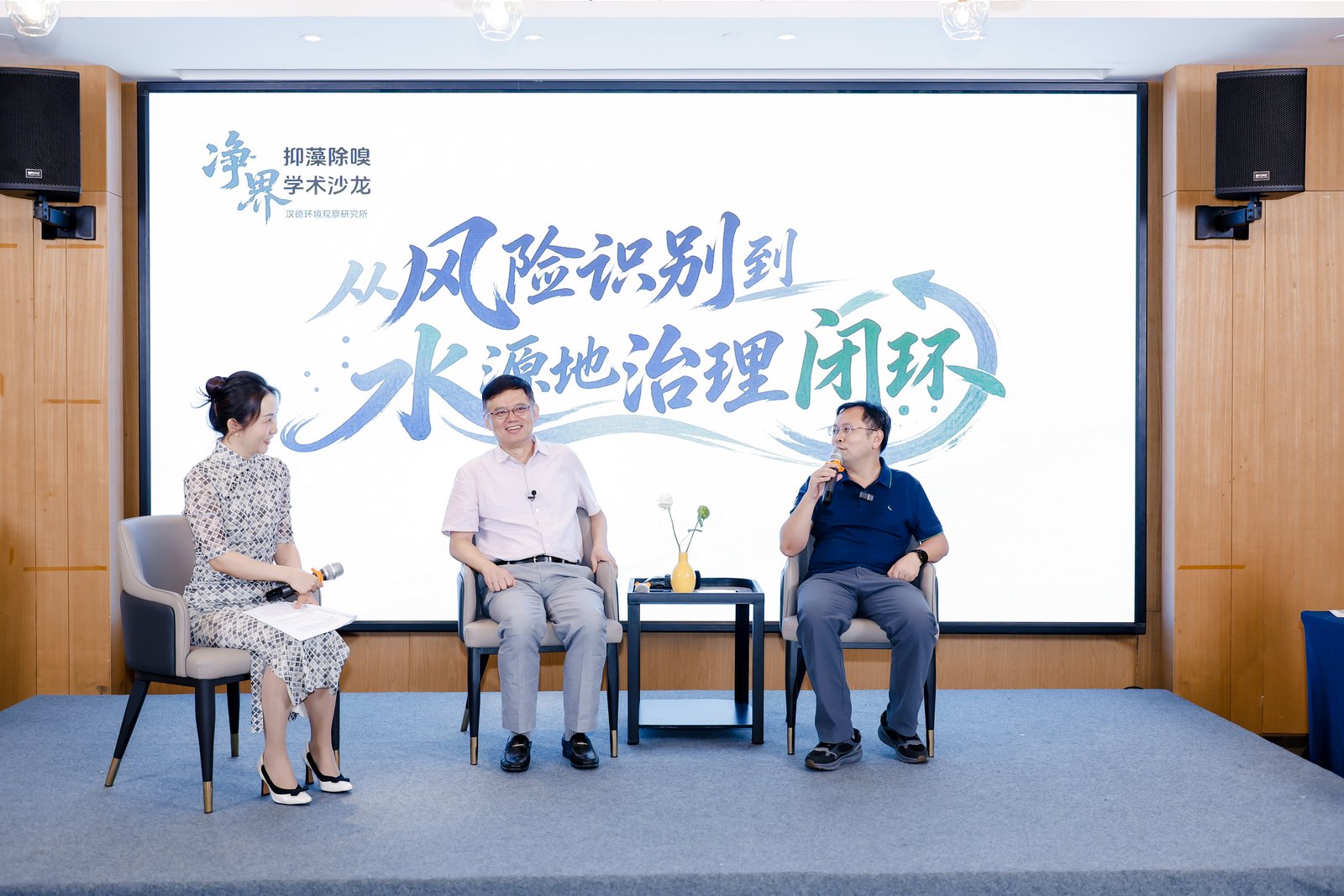
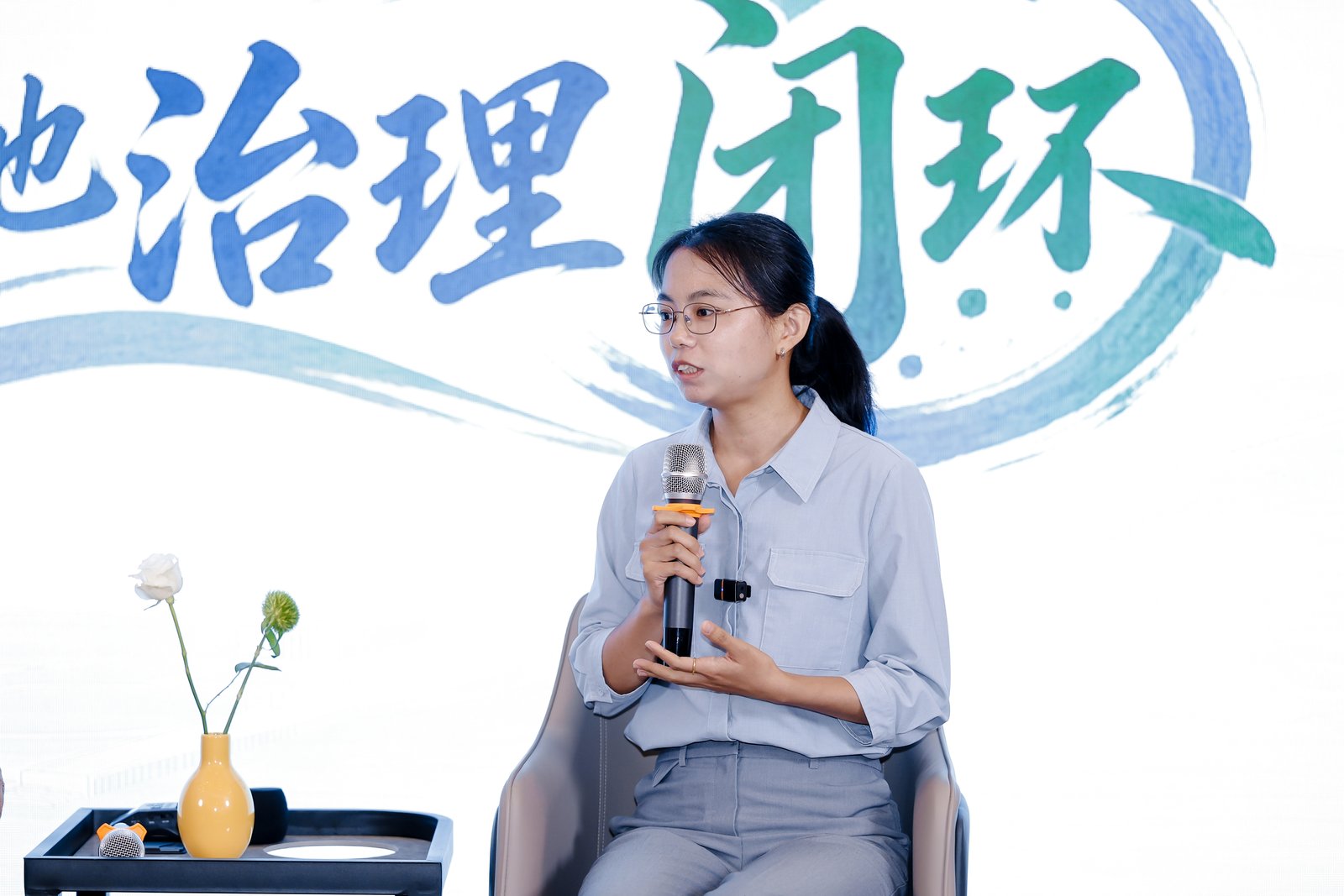
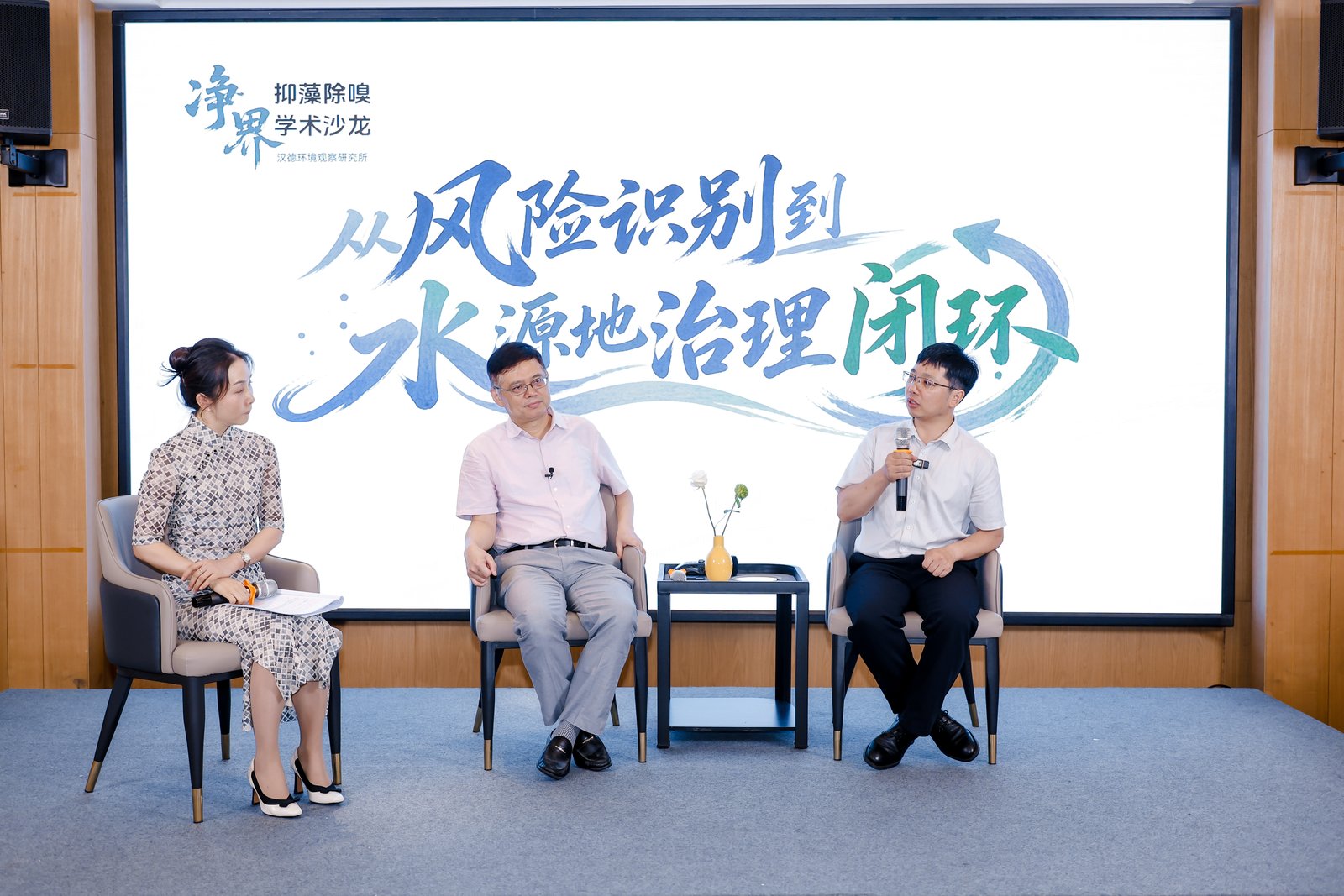
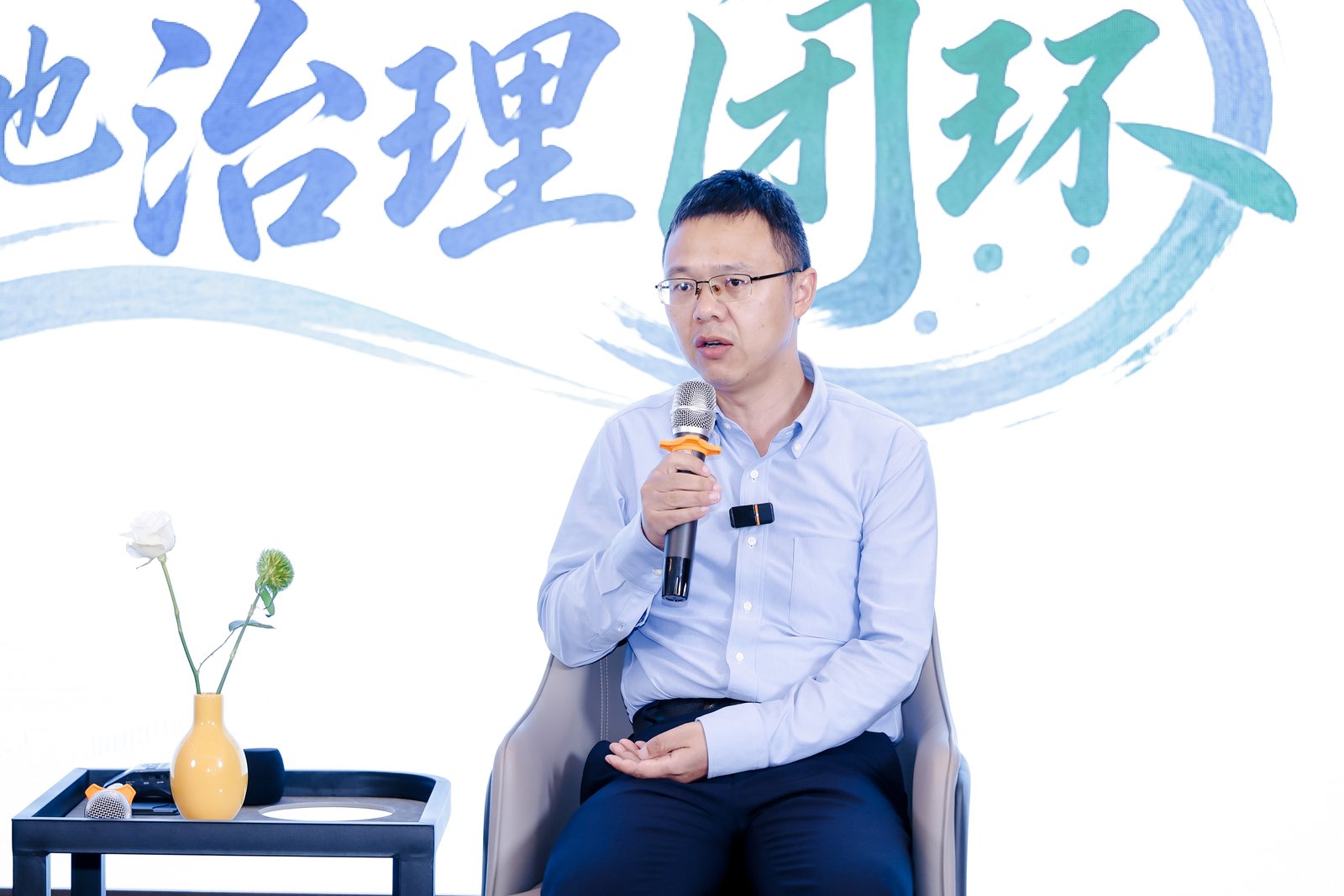
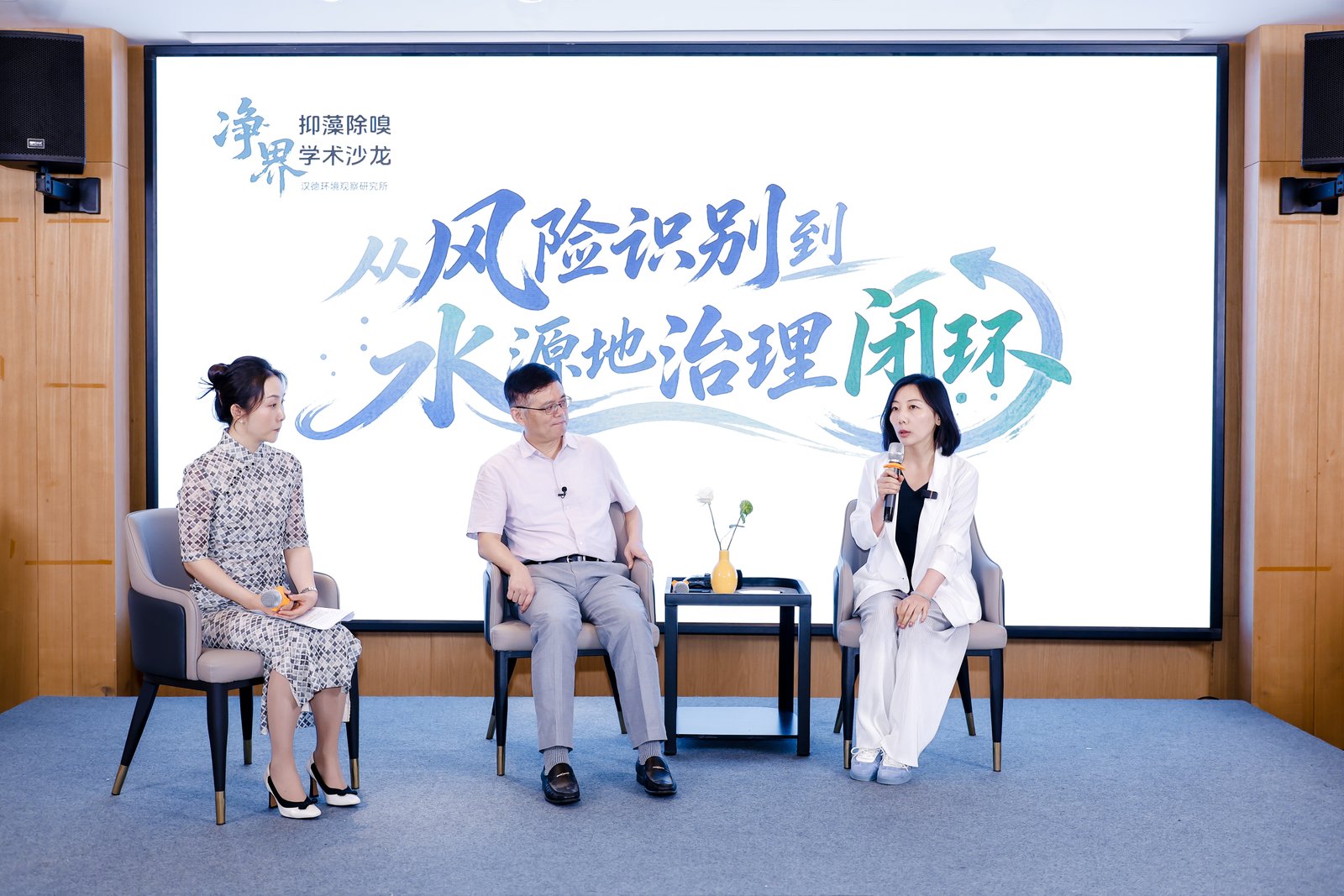
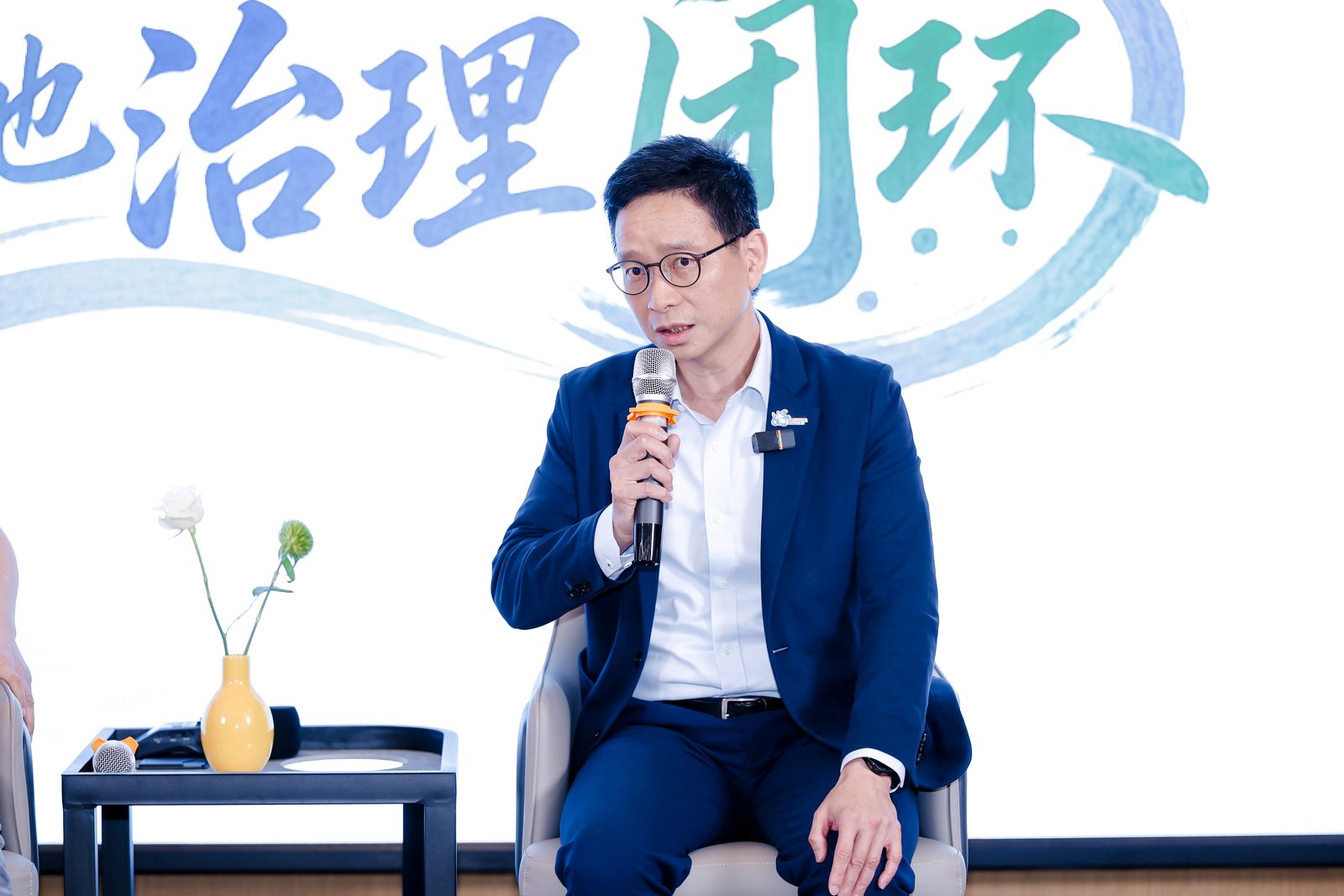
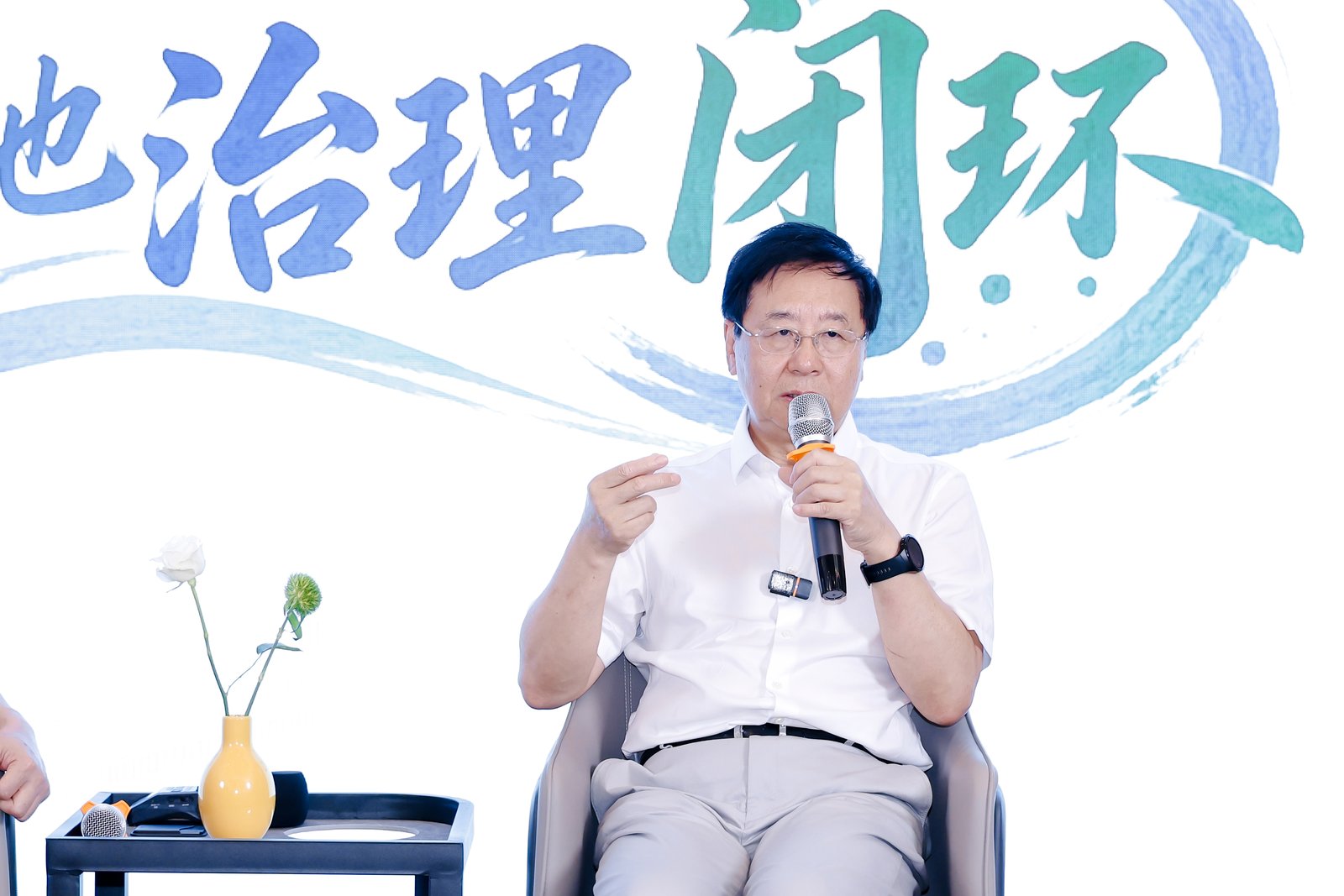
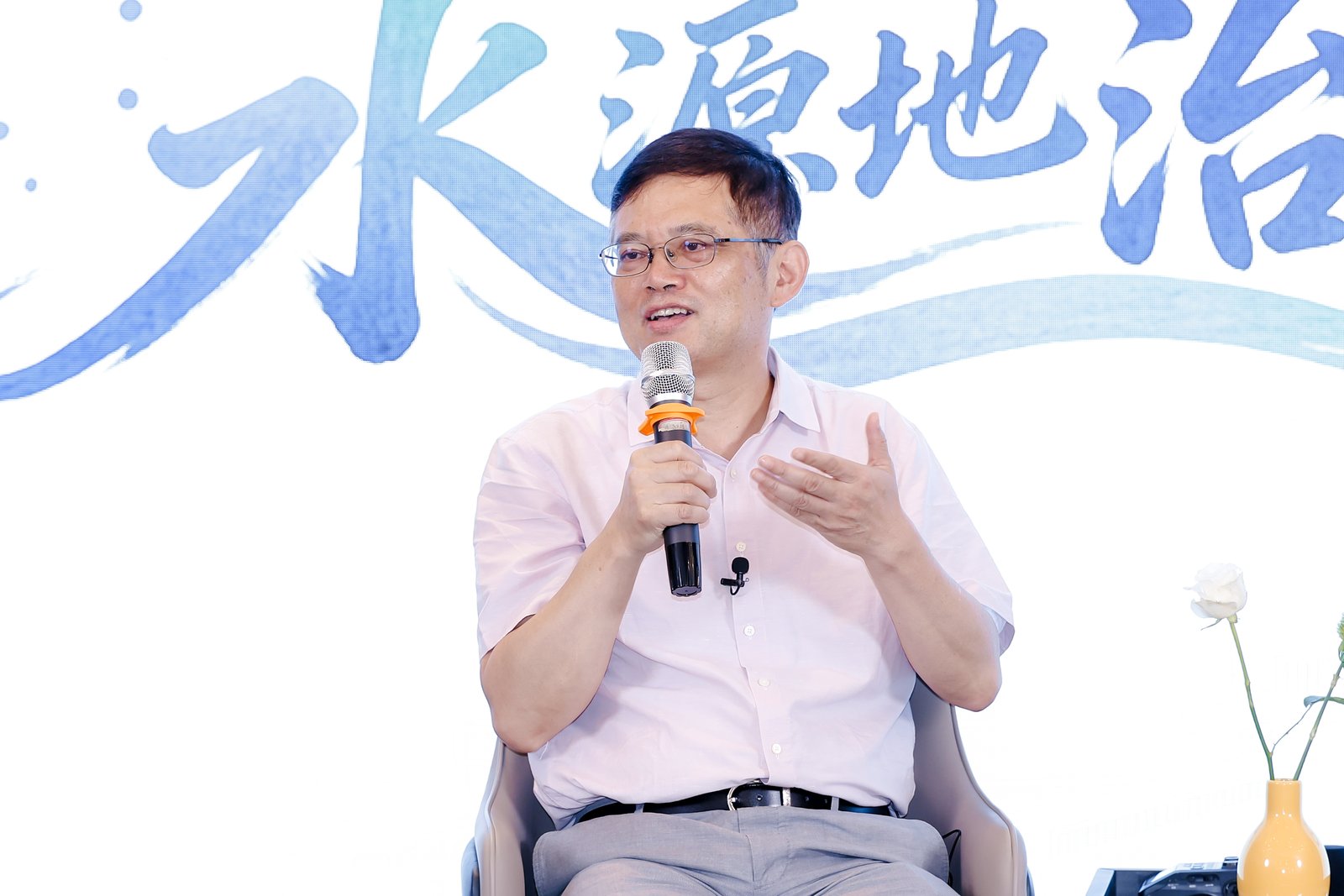
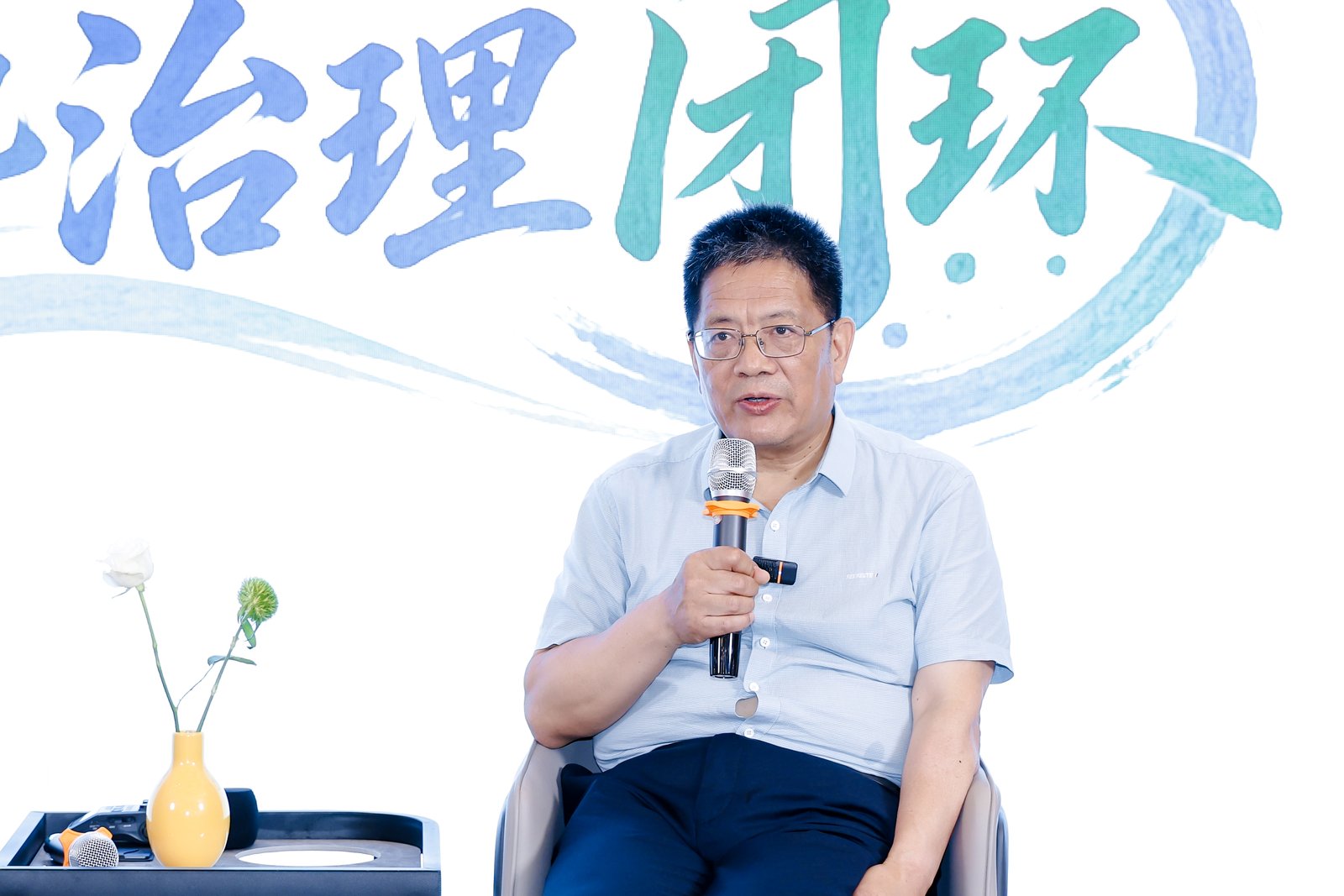
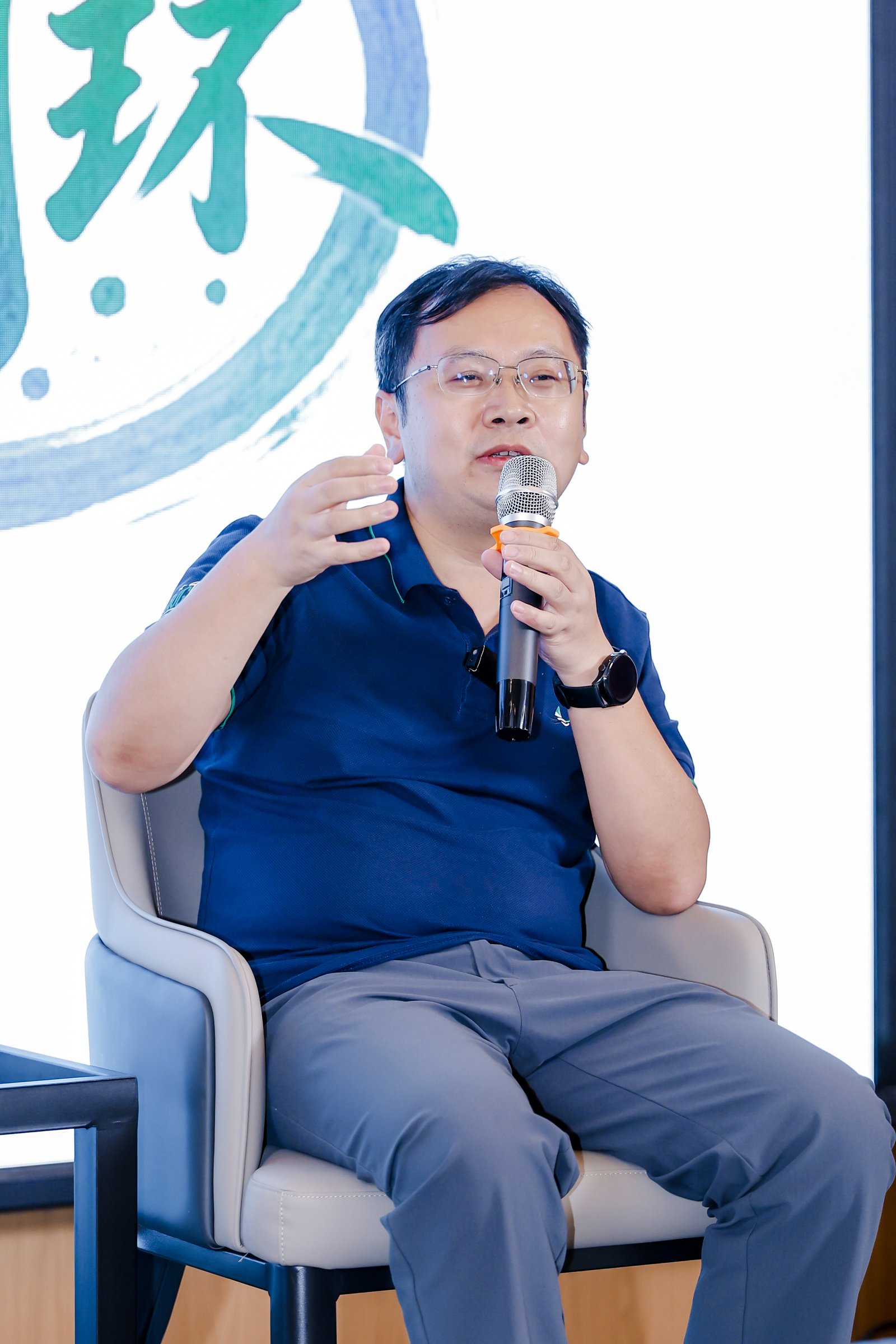
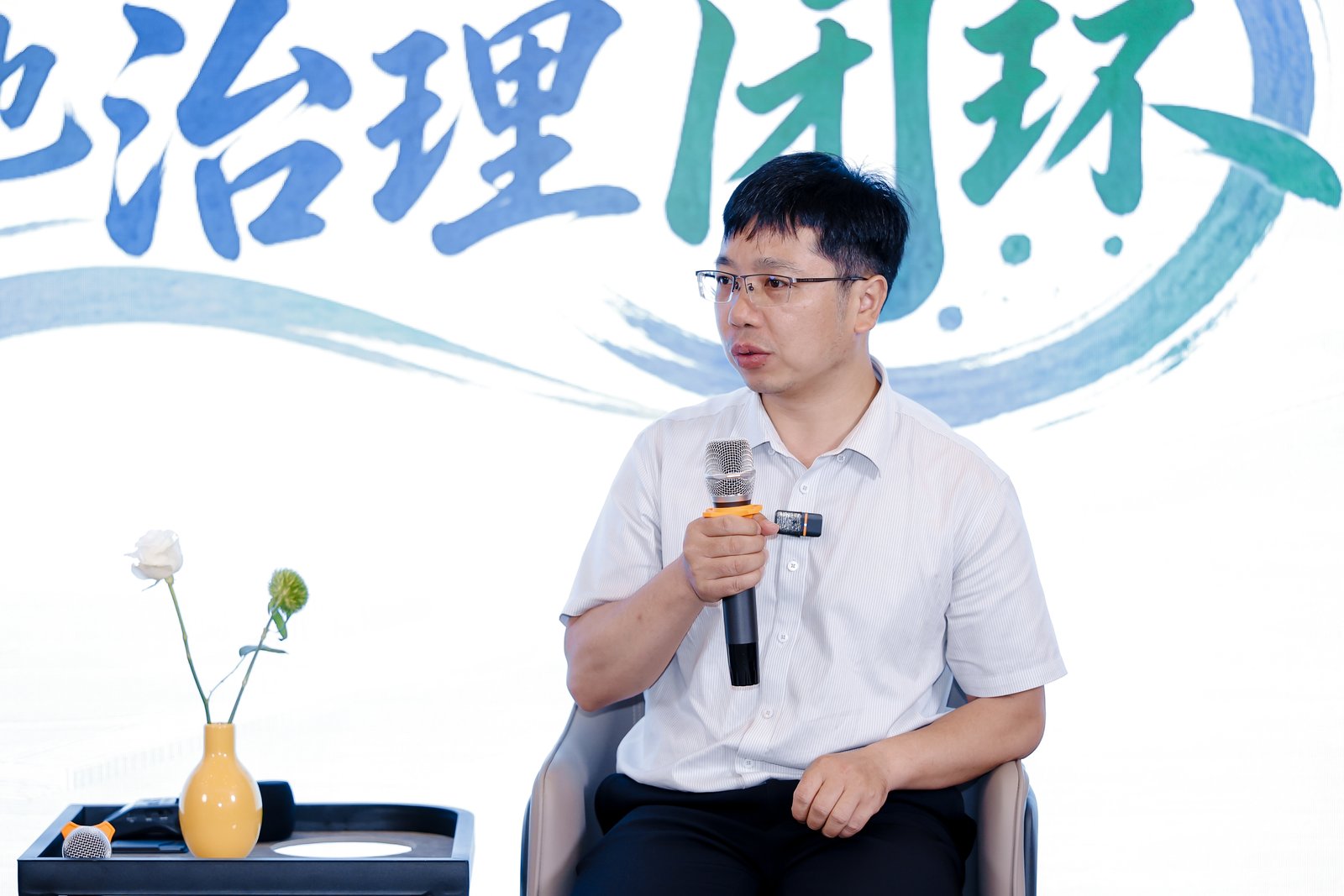
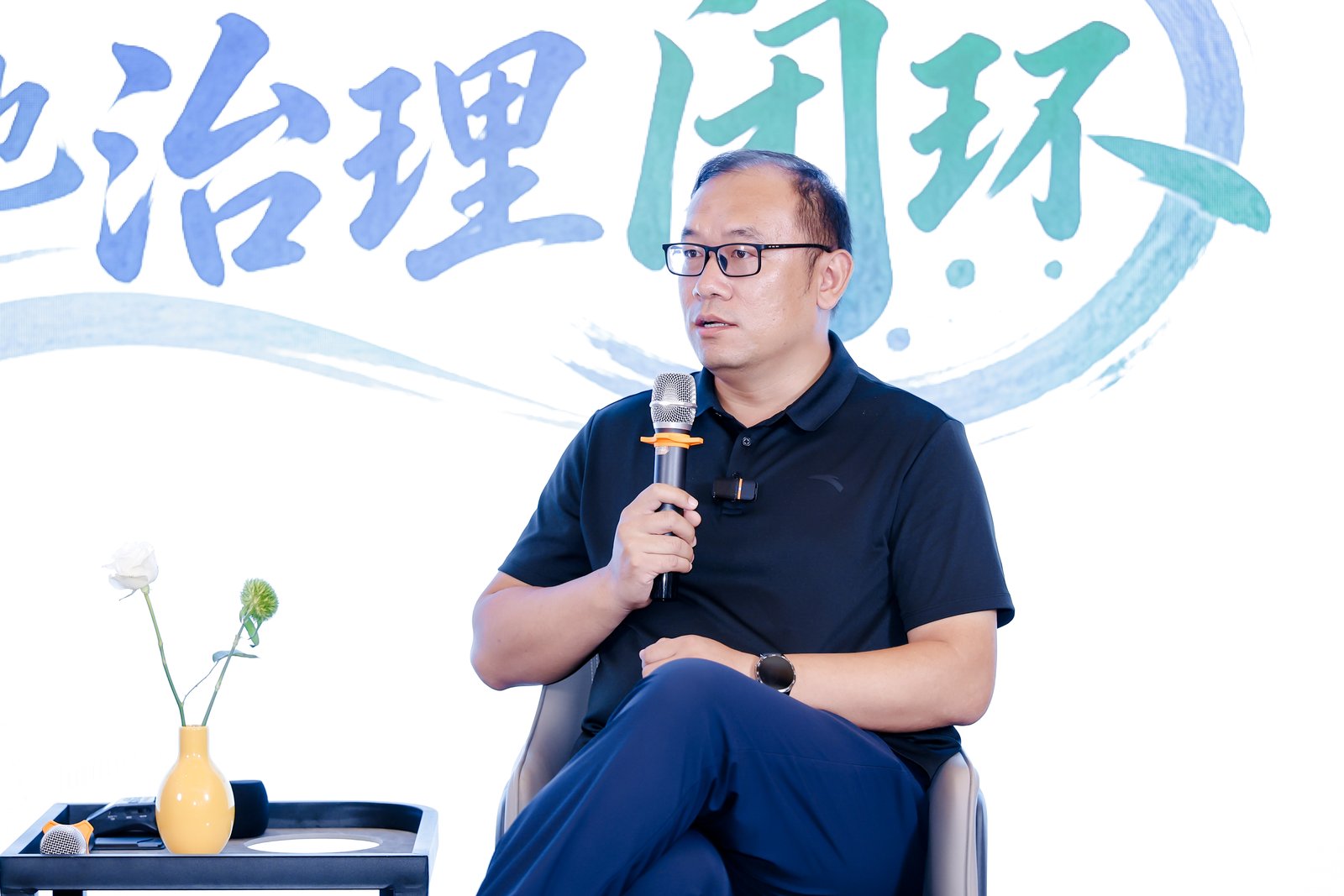
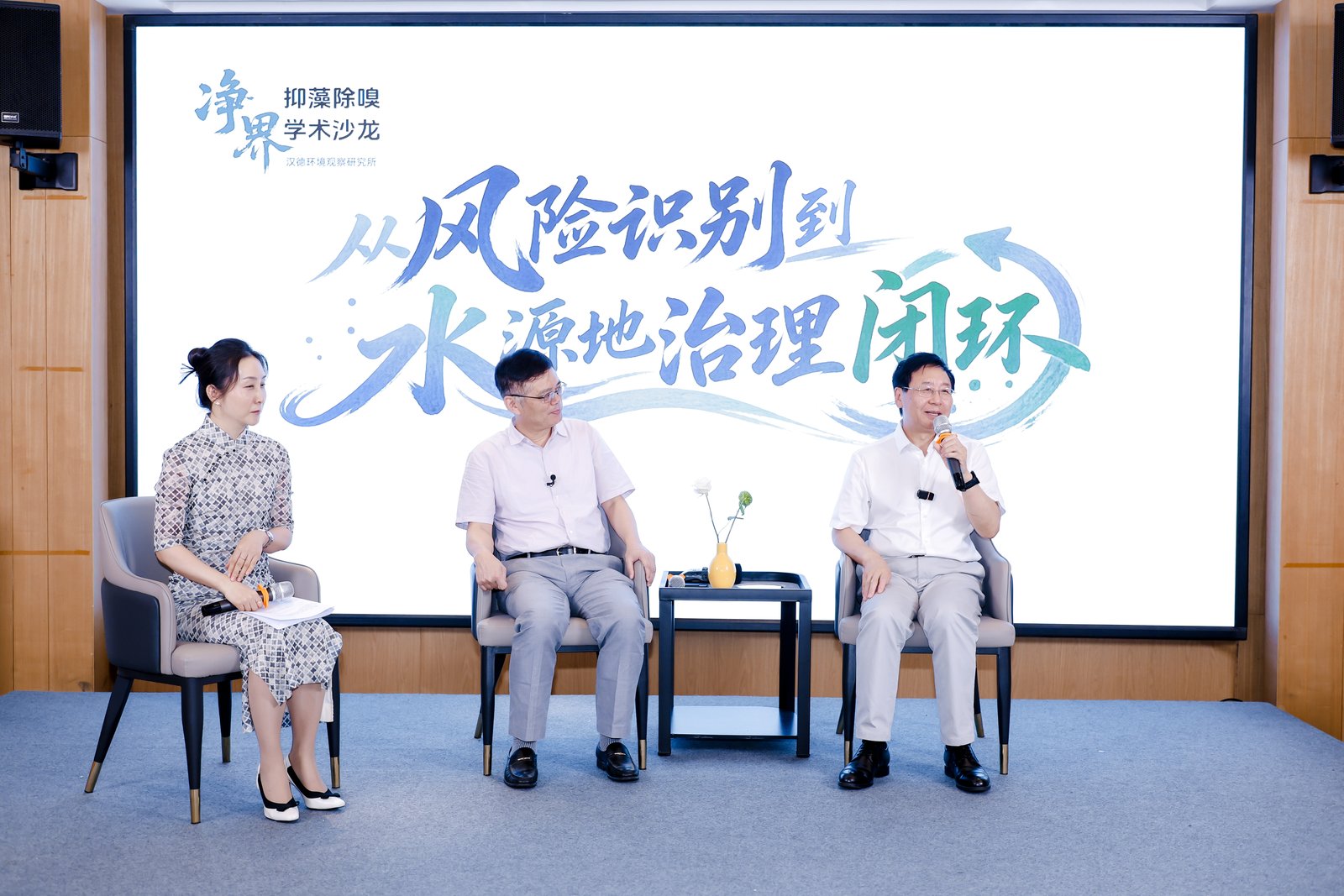
Xie Chengcheng, Director of the Zhongguancun Hand Environmental Observation Institute, chaired an expert conversation entitled “Making Water Odor-Free.” Following more than two decades of research and engineering practice, the discussion revisited how China’s approaches to drinking-water odor identification and control have taken shape and entered practical application.
Yang reflected on first encountering unusual tap-water odors while studying in Shanghai and on the decision to make real-world environmental challenges a long-term research focus. He also reviewed the development and impact of the odor-identification and control framework.
Junong Gu, former Deputy Chief Engineer of Beijing Waterworks Group, recalled working with researchers around 2003 to address odor issues at Miyun Reservoir. Zonglai Li revisited field sampling and source-tracing during the 2007 Lake Taihu drinking-water odor incident, when independently developed methods helped identify key odorants and provided first-hand evidence for understanding the event.
The work subsequently expanded from individual incidents to systematic surveys and a broader technical system. Chunmiao Wang, Associate Researcher at RCEES, discussed the establishment of an odorant-screening database and analytical methods. Ruibao Jia, Professor at the School of Water Conservancy and Environment, University of Jinan, shared experience from odor-analysis training and technology dissemination. Ming Su, Professor at RCEES, described intensive sampling at Miyun Reservoir, locating odor-producing algae, and testing algae suppression through water-level and light regulation. Together, these efforts show a clear path from problem discovery and method development to source-level algae control, standards, and engineering deployment.


Practice across regions
The afternoon session was chaired by Professor Ruibao Jia. Examples from different regions and water-supply systems made clear that algae-related odor has no single, universally transferable solution: management must fit the characteristics of the source, operational conditions, and treatment processes.
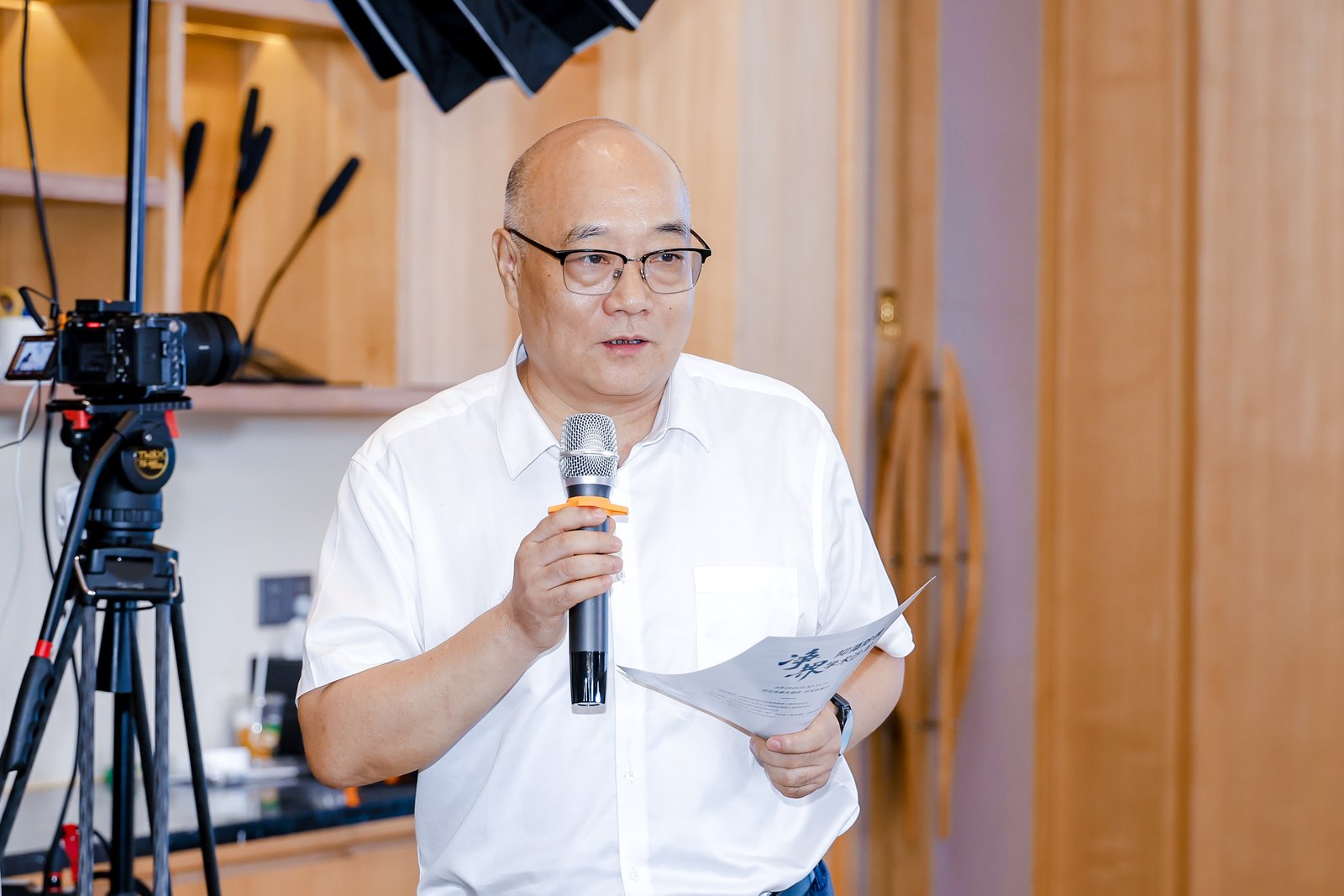
Junong Gu introduced process optimization and multi-process coordination in Beijing waterworks, including activated carbon and enhanced ozonation. Xinyong Liu, Director of the Water Quality Protection Division at China South-to-North Water Diversion Group Mid-Route Co., Ltd., discussed monitoring, algae prevention, emergency response, and coordinated source-to-plant management for long-distance water transfer. Yadong Shi, Deputy Director of the Taihu Basin Hydrology and Water Resources Monitoring Center, analyzed endogenous 2-MIB risk in East Taihu and described integrated space–air–ground monitoring and water-allocation practice.
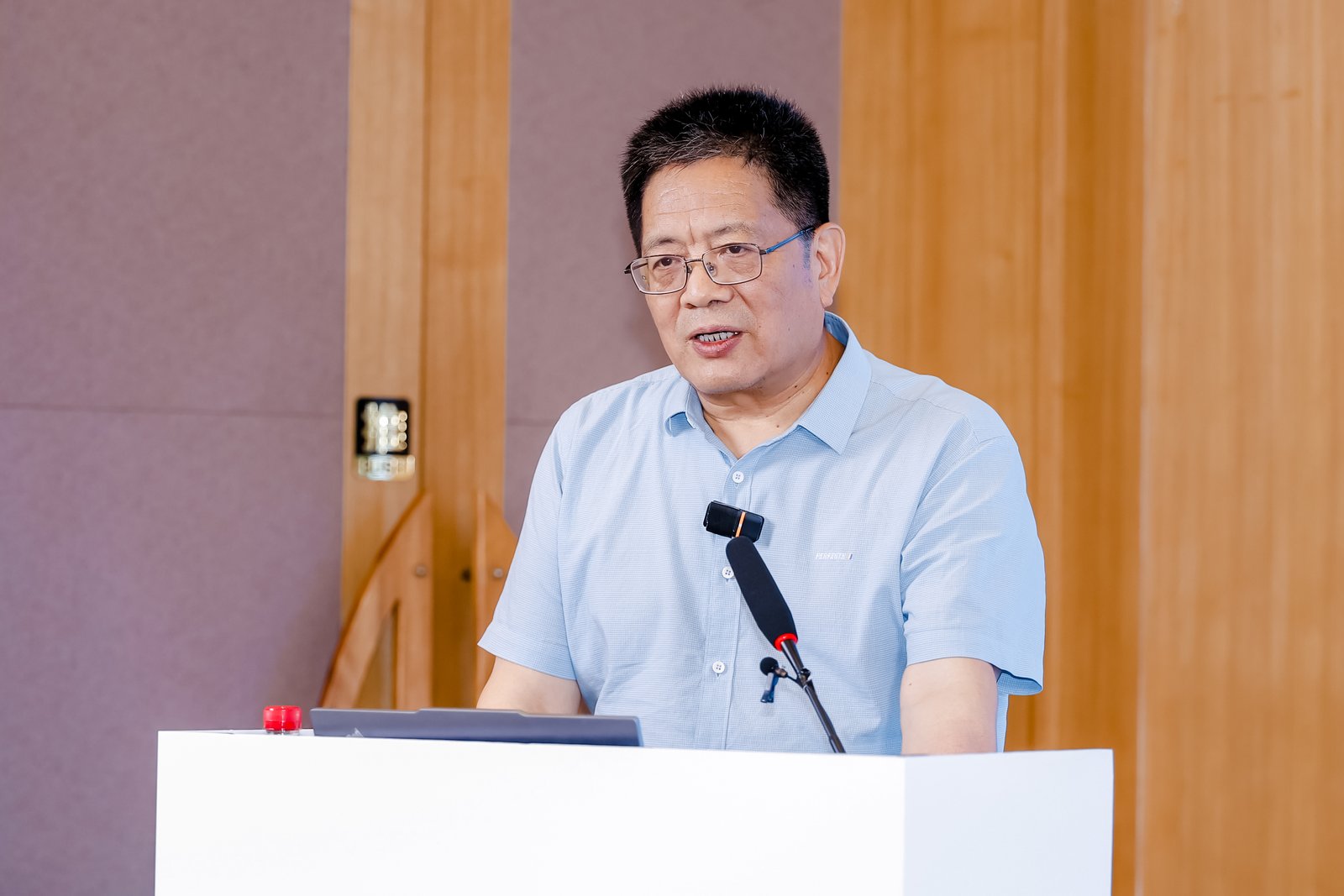
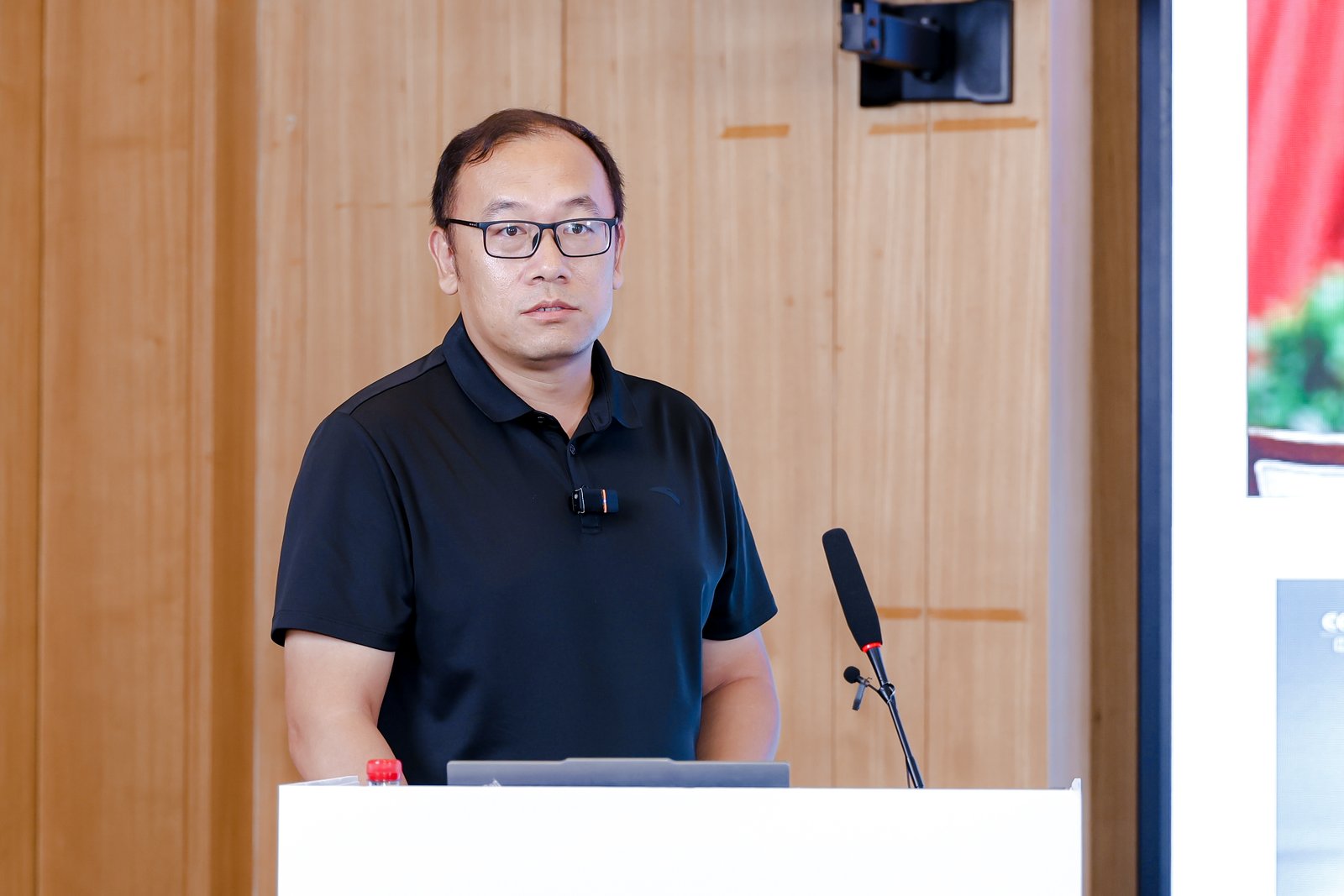
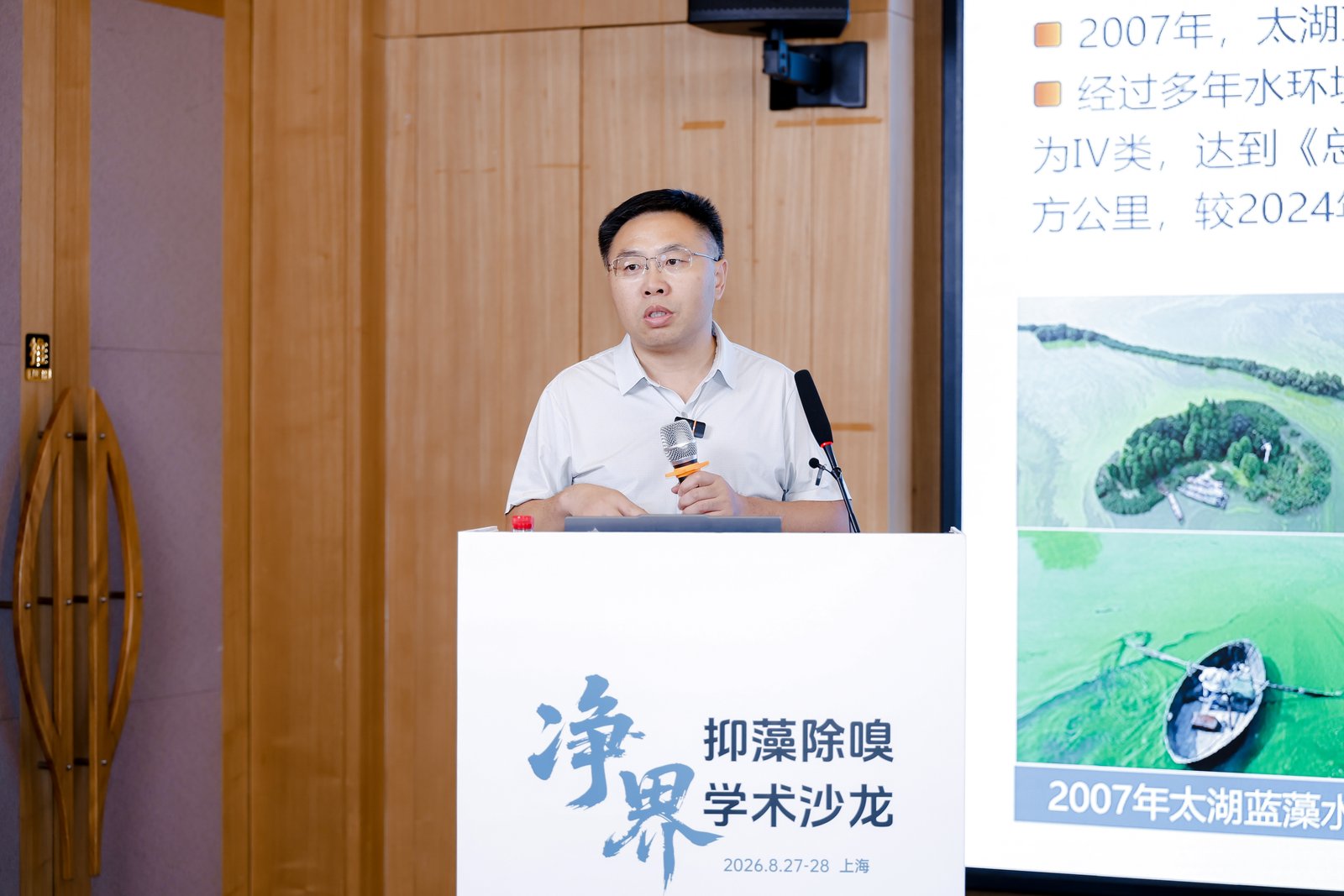
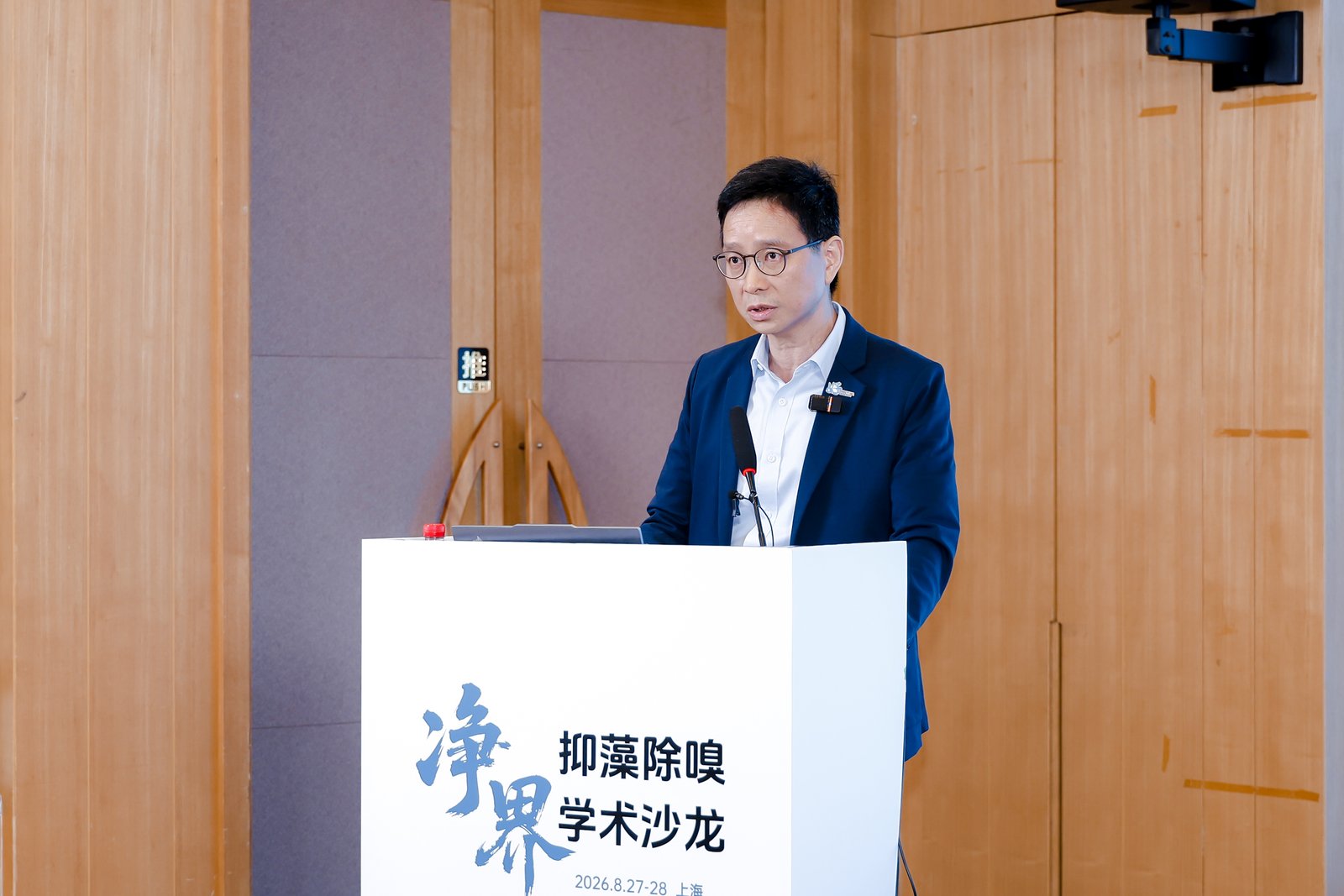
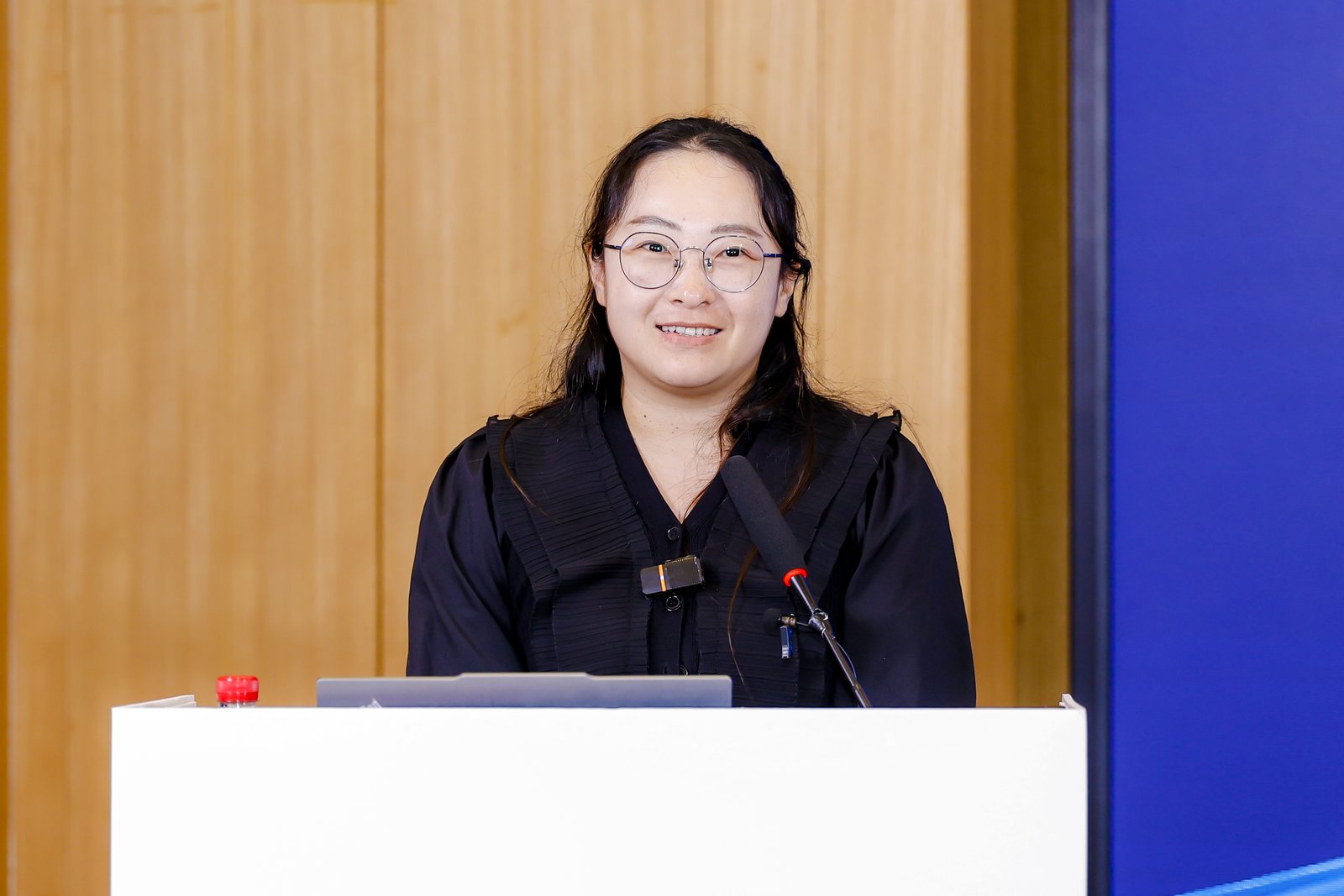
Tak Yip Choi, Chief Chemist of the Water Supplies Department of the Hong Kong SAR Government, presented the “Good Water, Good Fish” approach, which uses fish management to optimize reservoir ecology, alongside explorations of AI-assisted algae identification and automated odorant monitoring. Wei Ma, Manager of the Laboratory and Research Centre at Macao Water, shared work on coordinated Zhuhai–Macao prevention and control, uncrewed-vessel sampling, and AI-assisted algae identification. Changping Wang, President of the Innovation Research Institute at Shenzhen Environmental Water Group, discussed seasonal 2-MIB management through activated-carbon selection, carbon–sand filtration, process-load optimization, and biodegradation. Hongmei Cao, Deputy General Manager of Langfang Qingquan Water Supply Co., Ltd., shared operational lessons from odor events, including optimization of activated-carbon contact time and differentiated handling of intracellular and extracellular odorants.
From reacting to odor events to whole-process risk control
Participants agreed that algae-related odor is characterized by very low sensory thresholds, strong public perception, clear seasonality, and substantial regional variation. It is therefore not only a technical issue but also one of operational management and source-water governance. Effective responses require sensory evaluation and instrumental analysis to work together, linking source monitoring, risk prediction, engineering operations, and plant treatment. Standards, guidance, and training can help turn mature knowledge into routine practice.
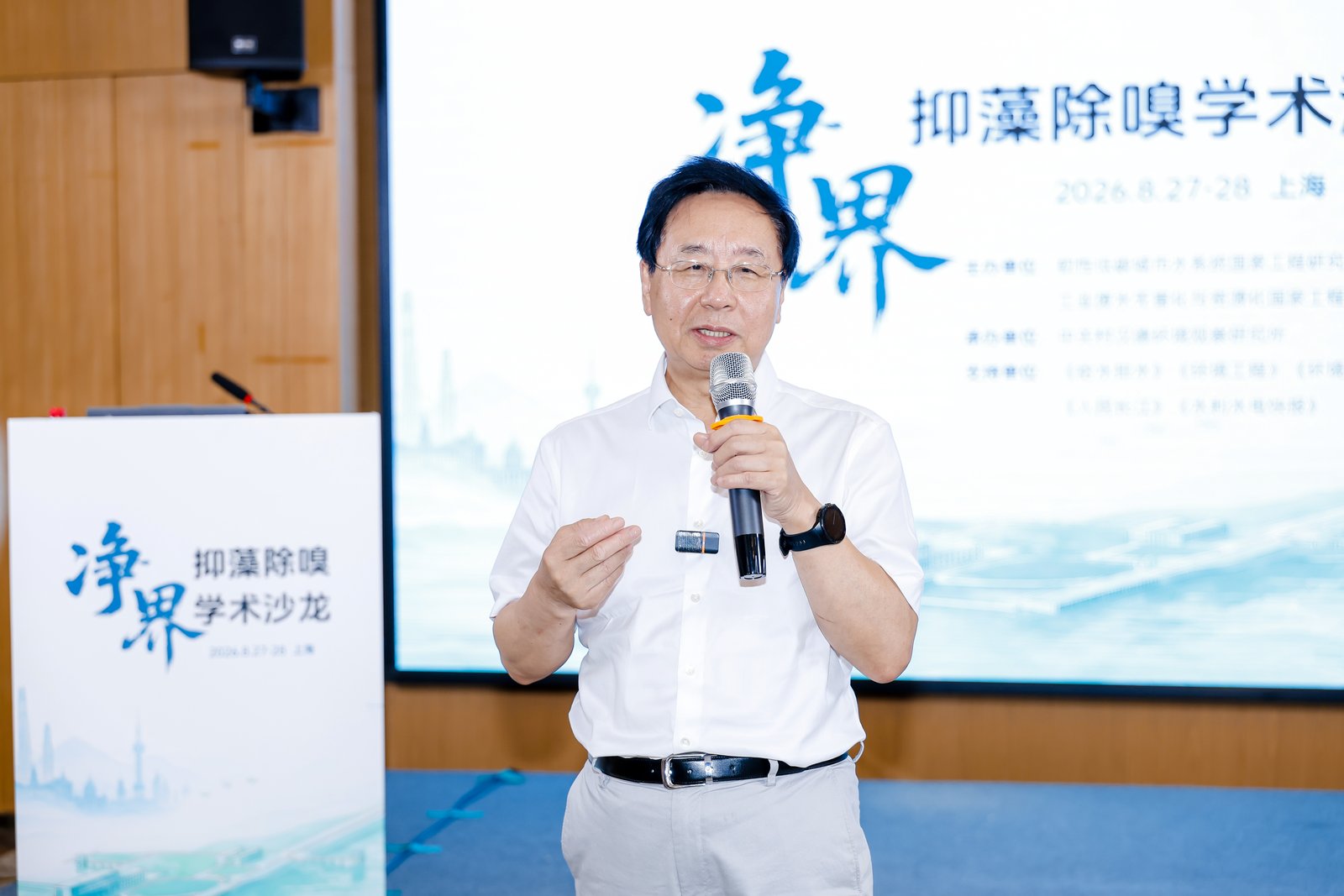
Jiuhui Qu, Professor at RCEES, concluded that “truly clean water is odor-free; good water needs no fragrance.” The goal of odor control is to restore drinking water’s fundamental quality of being colorless and odorless. Years of sustained work have delivered important advances in identifying specific odorants, understanding odor-producing algae, and optimizing physical-regulation parameters. These have supported hydraulic and turbidity control, advanced treatment, and monitoring and warning approaches that combine sensory evaluation, instrumental analysis, and artificial intelligence across reservoirs, inter-basin transfers, and urban water plants.
Qu further noted that odor-producing algae and odorants cannot be attributed to a single factor such as nutrients, temperature, or flow. They arise through interacting physical, chemical, and biological processes shaped by natural evolution and human disturbance. Future work should continue to unravel these complex mechanisms, use water level, flow, and turbidity to guide ecological functions, explore nature-based and enhanced nature-based approaches, and use AI to strengthen early warning, automatic identification, decision support, and feedback control.
From the visit to Qingcaosha Reservoir to exchanges among water sources and treatment plants in many regions, the salon ultimately examined more than how to remove a particular smell. Its central question was how to discover risks earlier, judge them more accurately, and respond more proactively. When the public notices nothing unusual in daily life, that is perhaps the simplest and most important outcome of drinking-water safety protection.